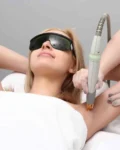

The best laser hair removal clinic near you combines modern multi-wavelength laser technology, trained practitioners, and a personalized consultation process. Most patients need 6–8 sessions spaced 6–8 weeks apart, achieving 80–90% permanent hair reduction. Costs vary by treatment area, with averages ranging from $130 for underarms to $739 for full-body treatment.
Every year, millions of people type “best laser hair removal near me” into a search bar and end up overwhelmed. Dozens of clinics. Wildly different price points. Vague promises of “permanent results.” Knowing which clinic actually delivers is harder than it looks.
The truth is, laser hair removal Edmonton is one of the most effective long-term solutions for unwanted hair. But the quality of your results depends almost entirely on the clinic you choose, specifically, the technology they use, the expertise of their practitioners, and how well they tailor the treatment to your skin type. Walk into the wrong place, and you risk poor results at best, or skin damage at worst.
This blog breaks down exactly what separates a great laser hair removal clinic Edmonton from a mediocre one. You’ll learn what technologies to look for, what questions to ask before you book, how much you should expect to pay, and what results to realistically expect. By the end, you’ll be able to identify the best option near you with confidence.
What Makes a Laser Hair Removal Clinic Actually “The Best”?
Being the closest clinic to your home or office doesn’t make it the best. The laser hair removal clinic near me is one that matches your specific skin type and hair characteristics with the right technology, delivered by qualified practitioners who take the time to assess your needs before picking up a laser.
Three core factors determine clinic quality:
- Technology: The type and age of the laser system used
- Expertise: The qualifications and experience of those performing the treatment
- Process: Whether the clinic offers personalized consultations, preparation guidance, and aftercare support
A clinic that scores well on all three is worth traveling a little further for.
What Are the Three Main Types of Laser Hair Removal Technology?
Not all laser hair removal in Edmonton is the same. Modern clinics use one or more of three primary laser systems, each designed for different skin tones and hair types. Understanding the differences helps you ask the right questions.
- Alexandrite Laser (755nm wavelength)
The Alexandrite laser works best on light to medium skin tones with fine to medium hair. Its larger spot size makes it fast, ideal for treating large body areas like the legs, arms, and back in a single session.
- Diode Laser (808nm wavelength)
The Diode laser penetrates deeper into the skin, making it effective for medium to dark skin tones and coarse, dark hair. It’s commonly used for the bikini area, underarms, and facial hair, and carries an excellent safety profile across diverse skin types.
- Nd:YAG Laser (1064nm wavelength)
The Nd:YAG laser is the safest option for darker skin tones, with the lowest risk of pigmentation changes. It’s gentler than the other two systems, which may mean slightly more sessions, but for patients with melanin-rich skin, it’s the most reliable choice.
The best clinics invest in multi-wavelength platforms that support all three technologies, allowing practitioners to customize treatment for any skin tone or hair type. If a clinic only offers one laser system, that’s worth noting.
What Should You Look for When Choosing a Laser Hair Removal Clinic Near You?
Here are a few key points that you need to consider while selecting the best laser hair removal clinic near me. Let’s have an eye on it-
- Does the clinic use modern, medical-grade laser equipment?
Older laser systems treat a narrower range of skin tones and are generally less comfortable. Modern platforms include advanced cooling mechanisms that protect the skin surface while targeting hair follicles; most patients at well-equipped clinics rate their discomfort at 3/10 or less. Ask directly what system a clinic uses before booking.
- Are the practitioners properly trained and qualified?
Laser hair removal should be performed by or at minimum supervised by trained medical professionals. Look for clinics where practitioners understand skin anatomy, hair growth cycles, laser energy settings, and safety protocols. Physician-supervised clinics offer an additional layer of safety, particularly if you have a unique skin type or underlying conditions.
Technician-only clinics aren’t necessarily unsafe, but they do carry higher risk, especially for patients with darker skin tones or sensitive areas.
- Does the clinic offer a proper consultation before treatment?
A reputable clinic will never start treatment without first assessing your skin tone, hair thickness, and medical history. This consultation determines which laser system is appropriate, how many sessions you’ll likely need, and what results are realistic for your hair type.
Clinics that skip this step and offer one-size-fits-all treatment plans are a red flag. Your treatment should be calibrated to you.
- Is the clinic transparent about pricing?
Laser hair removal costs vary significantly depending on the treatment area, number of sessions, and the technology used. According to the American Society of Plastic Surgeons (2025), the average reported price per session is $697, though individual session pricing and package deals can look very different from clinic to clinic.
Transparent clinics publish their pricing or provide a clear quote during consultation. Be cautious of clinics that are vague about costs until you’re already in the door.
How Much Does Laser Hair Removal Cost and Is It Worth It?
Pricing varies by body area and provider. A 2024 pricing study commissioned by SEV Laser found these average single-session costs across the US:
- Underarms: ~$130
- Brazilian: ~$241
- Full legs: ~$397
- Full body: ~$739
A CareCredit study (2023) found the overall range runs from $207 to $913 depending on treatment area size and provider. Many clinics offer package discounts typically 15–20% off when booking 6–8 sessions in advance.
On the surface, those numbers might seem steep. But put them in context. Regular Brazilian waxing alone can cost over $20,000 over 30 years, according to StyleSeat pricing data. Laser hair removal, by comparison, is a one-time investment that pays for itself many times over, and that doesn’t factor in the time savings from eliminating monthly waxing appointments or daily shaving.
Choose a package deal if you’re committed to full treatment; the cost per session drops considerably compared to booking individually.
What Red Flags Should You Watch Out For When Searching for Laser Hair Removal Near You?
Not every clinic that ranks well in a local search is worth your money. Watch for these warning signs:
- No consultation offered: Any clinic that books you straight into a treatment session without assessing your skin and hair type is prioritizing speed over safety.
- No mention of laser type: If a clinic won’t tell you what laser system they use, that’s a problem. The technology matters enormously for both results and safety.
- Prices that seem too low: Heavily discounted laser hair removal often means outdated equipment or under-trained staff. The cheapest option near you is rarely the best one.
- Vague or non-existent aftercare guidance: Quality clinics provide clear instructions on what to do after treatment. Those that don’t are cutting corners.
- No reviews or credentials listed: Check Google reviews, RealSelf, or Yelp. A clinic without a visible track record deserves scrutiny.
How Should You Prepare for Your First Laser Hair Removal Appointment?
Once you’ve found a clinic you trust, preparation is straightforward:
- Shave the treatment area 24 hours before your appointment (don’t wax or pluck, the laser needs the hair follicle to be intact beneath the skin)
- Avoid sun exposure for at least two weeks prior to treatment
- Avoid waxing or plucking for 6 weeks before your first session
- Mention any medications you’re taking during your consultation, as some can increase photosensitivity
On the day, the clinic will apply cooling gel to the treatment area, provide eye protection, and walk you through what to expect. Most sessions for smaller areas take 15–30 minutes.
What Results Can You Realistically Expect and How Quickly?
Laser hair removal works in stages because hair grows in cycles. The laser only targets follicles in their active growth phase, which is why multiple sessions are necessary. Here’s what a typical treatment journey looks like:
- After session 1: Some hair reduction within 2–3 weeks as treated hairs shed naturally
- After sessions 3–4: Approximately 50% hair reduction; remaining hair grows back finer and lighter
- After sessions 6–8: 80–90% permanent hair reduction; skin feels consistently smooth
- Long-term: Occasional touch-up sessions every 1–3 years to address any regrowth
Most patients need 6–8 sessions spaced 6–8 weeks apart for optimal results. Some may require up to 9–12 sessions depending on their hair type and the treatment area.
Your Next Step: Booking the Right Clinic Near You
Finding the best laser hair removal near me comes down to doing a small amount of homework before you book. Check what laser technology the clinic uses. Confirm that practitioners are qualified. Make sure a proper consultation is part of the process. And always compare pricing transparently not just per session, but across the full treatment course.
The right clinic makes the process smooth from consultation to final session. Start by shortlisting two or three local providers, asking these questions directly, and booking a consultation before committing. The difference between a good and a great clinic often becomes obvious the moment you walk through the door.
Frequently Asked Questions
- How many laser hair removal sessions do you need for permanent results?
Most patients need 6–8 sessions spaced 6–8 weeks apart to achieve 80–90% permanent hair reduction. The exact number depends on your hair type, skin tone, and the treatment area. Some patients with coarser hair may need up to 12 sessions.
- Is laser hair removal safe for dark skin tones?
Yes, when performed by an experienced practitioner using the right equipment. The Nd:YAG laser (1064nm) is specifically recommended for darker skin tones, as it carries the lowest risk of pigmentation changes. Always confirm a clinic’s experience with your skin type before booking.
- How do you know if a laser hair removal clinic is reputable?
Look for clinics that use modern multi-wavelength laser systems, offer consultations before treatment, employ trained or physician-supervised practitioners, and provide transparent pricing. Reviews on platforms like Google and RealSelf are also a reliable signal of consistent results.
- What is the average cost of laser hair removal in the US?
The American Society of Plastic Surgeons (2025) reports an average price of $697 per session. A 2024 SEV Laser pricing study found averages of ~$130 for underarms, ~$241 for a Brazilian, ~$397 for full legs, and ~$739 for full body. Package deals typically reduce the cost per session by 15–20%.
- Is laser hair removal worth it compared to waxing or shaving?
Over time, yes. According to StyleSeat data, regular Brazilian waxing can cost more than $20,000 over 30 years. Laser hair removal requires a higher upfront investment but delivers long-term results that eliminate ongoing costs making it significantly more cost-effective across a lifetime.
- What should you avoid before a laser hair removal appointment?
Avoid sun exposure for two weeks before treatment, and avoid waxing or plucking for six weeks prior. Shave the treatment area 24 hours before your appointment. Disclose any medications to your practitioner, as some can increase skin sensitivity to the laser.
- Can you go back to normal activities immediately after laser hair removal?
Yes. Laser hair removal Edmonton typically requires no downtime. Mild redness may occur for one to two hours post-treatment. Avoid sun exposure for 48 hours afterward and follow any aftercare instructions provided by your clinic.