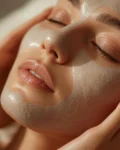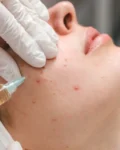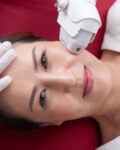

Achieving smooth skin requires proper preparation before your clinical aesthetic appointment. Advanced light therapies stimulate cellular repair to improve texture, tone, and collagen levels. Preparing your complexion correctly minimizes potential side effects and ensures optimal recovery.
Patients seeking laser skin rejuvenation near me must follow strict guidelines prior to scheduling. Neglecting prep work can trigger unwanted inflammation, hyperpigmentation, or prolonged redness post-treatment. Proper care ensures safe light delivery deep within targeted dermal layers.
At Oxyderm Laser Clinic Edmonton, technicians evaluate your unique skin history during consultations. Customized treatment plans combine advanced technologies with comprehensive patient guidance for safety. Following specific clinical protocols prepares your cellular structure for optimal therapeutic energy absorption.
1. Eliminate Direct Sun Exposure and Tanning
Sun exposure increases active melanin levels within your outer epidermal skin layers. High melanin concentrations absorb excessive light energy during laser facial skin rejuvenation sessions. This extra absorption may cause surface blistering, burns, or severe post-inflammatory hyperpigmentation.
Avoid natural sunbathing, tanning beds, and self-tanning lotions for four weeks beforehand. Tanning sprays stain surface skin cells and alter optical light delivery paths. Technicians cannot safely treat actively tanned complexions without risking unintended thermal damage.
Apply broad spectrum mineral sunscreen daily throughout your pre-treatment preparation phase. Shielding your face maintains stable pigmentation levels required for targeted laser energy delivery.
2. Pause Retinoids and Active Exfoliators
Active topical ingredients increase cell turnover while thinning your outer stratum corneum layer. Retinoids, glycolic acid, and salicylic acid heighten surface skin sensitivity to light. Continuing strong exfoliators right up to your session raises irritation risks substantially.
Discontinue prescription tretinoin and over-the-counter retinol products seven days prior to care. Avoid chemical peels, harsh scrubs, and physical exfoliating brushes during this timeframe. Allowing your skin barrier to stabilize prevents raw tissue reactions during treatment.
Discuss all active serum ingredients with your practitioner during your comprehensive consultation. Your technician will advise precisely when to stop specific cosmetic formulations safely.
3. Discontinue Photosensitizing Medications
Certain oral medications cause heightened sensitivity to thermal light energy during procedures. Common antibiotics, acne medications, and antihistamines trigger unexpected photosensitive skin reactions easily. Treating skin while taking photosensitizing drugs increases risks of scarring and discomfort.
Disclose your complete medical history and current prescription list during early consultations. Primary authoritative guidelines from Health Canada mandate reviewing health factors before medical treatments. Never stop taking prescribed health medications without direct approval from your prescribing physician.
Your clinical technician may reschedule your laser skin rejuvenation until medication courses finish. This protective delay ensures your internal system tolerates aesthetic light energy safely.
4. Manage Viral Flare Up Risks Proactively
Thermal energy can trigger latent viral infections around oral tissue zones. Individuals prone to cold sores often experience breakouts following targeted facial light therapies. The thermal heat activates dormant viruses within underlying peripheral nerve pathways rapidly.
Inform your clinic if you possess a history of facial herpes simplex outbreaks. Technicians typically recommend starting preventative antiviral medications two days before your appointment. Prophylactic oral antivirals reduce breakout risks, supporting smooth, undisturbed dermal recovery.
Keep local treatment sites completely clear of any active lesions on appointment days. Clinics must defer procedures if open blisters exist near designated treatment locations.
5. Avoid Blood Thinning Supplements and Medications
Non-steroidal anti-inflammatory drugs can compromise natural blood clotting mechanisms significantly. Over-the-counter aspirin, ibuprofen, and high-dose vitamin E supplements increase bruising potential. Targeted light therapies can cause localized swelling or pinpoint micro-bleeding near capillaries.
Stop taking non-essential blood thinning supplements two weeks prior to scheduled procedures. Avoid anti-inflammatory pain medications for at least three days before arriving for care.
Check with your primary physician before stopping any medically necessary daily blood thinners. Managing bruising risks keeps your post-treatment recovery subtle and comfortable throughout healing.
6. Maintain Optimal Epidermal Barrier Hydration
Well-hydrated skin tissue responds more predictably to therapeutic thermal light energy absorption. Dry or dehydrated dermal layers experience heightened discomfort and slower post-procedure healing. Moisturized skin cells absorb thermal energy efficiently without causing excessive secondary damage.
Drink plenty of water daily leading up to your scheduled clinical appointment. Apply gentle, fragrance-free moisturizers morning and night to reinforce lipid barrier strength.
Avoid aggressive cosmetic treatments like waxing or threading immediately before your scheduled appointment. Preserving intact surface tissue allows laser light to focus exclusively on target concerns.
7. Account for Edmonton Climate and Environmental Factors
Living in Alberta subjects your skin to extreme environmental humidity drops constantly. Cold prairie winters dry out protective facial barriers, exacerbating localized skin sensitivities. Low ambient moisture levels require proactive hydration habits before undergoing light-based therapies.
Fraser Valley winds and seasonal mountain snow reflect ultraviolet light onto faces year-round. Consistent sun protection remains mandatory in cold northern climates even during dark winter months. Protecting skin from environmental dryness ensures predictable cellular healing after wintertime procedures.
Adjust your home skincare routine according to seasonal local weather conditions in Edmonton. Utilizing humectants like hyaluronic acid reinforces tissue resilience against harsh regional elements.
8. Arrive with Clean Skin Free of Cosmetics
Cosmetics, heavy creams, and perfume oils block therapeutic light rays from penetrating properly. Residual makeup can trap heat on surface layers, causing severe pinpoint irritation.
Wash your face thoroughly using a mild, non-stripping cleanser on appointment mornings. Remove all traces of eye makeup, foundation, tinted moisturizers, and heavy sunscreens completely.
Arriving with bare skin allows technicians to start your session efficiently and safely. Clean skin guarantees precise light interaction directly with targeted skin cells.
9. Avoid Alcohol and Nicotine Before Care
Alcohol consumption dehydrates skin tissue while expanding delicate facial blood vessels excessively. Nicotine restricts micro-vascular circulation, slowing essential oxygen delivery during clinical recovery phases. Both substances compromise your body’s natural healing abilities following aesthetic light procedures.
Refrain from consuming alcoholic beverages for twenty-four hours prior to your scheduled session. Limit or stop tobacco usage several days before beginning advanced skin renewal treatments.
Optimizing internal vascular health ensures rapid collagen production and minimal post-procedure downtime. Healthy systemic circulation helps deliver vital nutrient supply directly to treated dermal zones.
10. Schedule Around Your Social and Work Commitments
Laser skin rejuvenation procedures create temporary surface redness, mild swelling, or darkening spots. These normal physiological responses indicate active cellular repair processes within your dermal layers. Flaking or mild peeling typically occurs over three to seven days post-treatment.
Plan your clinical appointments at least two weeks before major social events. Booking sessions strategically gives your tissue adequate time to heal without added stress.
Review expected recovery timelines thoroughly with your technician during your initial skin consultation. Aligning procedures with your schedule ensures a comfortable, stress-free recovery experience.
Partnering with Oxyderm Laser Clinic Edmonton for Safe Care
Selecting an experienced clinical provider remains vital for achieving safe aesthetic results. Oxyderm Laser Clinic Edmonton combines advanced, FDA-approved technologies with personalized care plans. Certified technicians evaluate your individual skin type before selecting precise treatment parameters.
Our team guides you through every step of your skin renewal journey safely. We provide detailed pre-treatment instructions tailored to your specific medical history and goals. Following professional guidance protects your financial investment while delivering radiant skin outcomes.
Combining thorough client preparation with medical-grade equipment minimizes potential clinical complications significantly. Visit Oxyderm Laser Clinic Edmonton to establish your customized treatment plan today.
Conclusion
Proper preparation forms the essential foundation for successful laser skin rejuvenation treatments. Following these ten clinical guidelines protects your epidermal barrier while optimizing healing. Eliminating sun exposure, pausing active exfoliants, and maintaining hydration ensure safe light energy delivery.
Every step you take prior to treatment directly influences your final aesthetic results. Aligning your routine with professional advice minimizes downtime and prevents unwanted pigment changes.
Are you ready to restore your skin’s natural health and youthful clarity? Schedule your skin consultation with Oxyderm Laser Clinic Edmonton to begin your journey.
Frequently Asked Questions
- 1. When should I stop using retinol before my treatment session?
Discontinue active retinoids and exfoliating acids seven days prior to your laser appointment. - 2. Why must I avoid sun exposure before laser skin rejuvenation?
Sun exposure raises epidermal melanin levels, increasing risks of accidental burns and hyperpigmentation. - 3. Can I get laser skin rejuvenation near me if I have a cold sore?
Clinics must postpone treatments during active outbreaks to prevent spreading viral infections across skin. - 4. Why is hydration important before undergoing laser facial skin rejuvenation?
Hydrated dermal tissue absorbs thermal light energy more evenly, promoting faster post-procedure healing. - 5. How does cold Edmonton weather affect pre-treatment skin preparation?
Dry prairie winter air weakens epidermal barriers, requiring extra hydration support before light treatments. - 6. Should I shave my face before my laser skin rejuvenation session?
Technicians typically instruct patients to shave treatment zones gently twenty-four hours before appointment times. - 7. Can I wear light makeup to my clinical treatment appointment?
No, skin must remain entirely free of cosmetics, lotions, and heavy sunscreens during treatments. - 8. How does Oxyderm Laser Clinic Edmonton ensure treatment safety?
Oxyderm Laser Clinic Edmonton conducts thorough skin consultations and utilizes advanced FDA-approved laser technologies. - 9. What happens if I take photosensitizing medications before treatment?
Photosensitizing drugs increase thermal light sensitivity, potentially causing unexpected skin burning or scarring. - 10. How far in advance should I book treatments before major events?
Contact us to schedule your laser sessions two weeks prior to important events to allow complete recovery.