
Almost every client who sits down for an acne consult with us has the same story. A pimple shows up two days before something important, they panic, and they put everything in the bathroom cabinet on it at once. By morning the spot is still there, and now it is surrounded by a dry, flaky, angry patch of skin.
A good acne spot treatment can help a breakout settle faster. It just works best when you know what it can do, what it can’t, and when a pimple has turned into something that needs more than a dab of cream. This guide covers all of that, plus what to do about the marks and scars that sometimes stay behind.
What a Spot Treatment Is Really Doing
A spot treatment is a concentrated product you apply only to an active blemish. Its job is to lower bacteria, loosen the clog inside the pore, or calm inflammation so the spot heals sooner. It will not stop new breakouts from forming somewhere else on your face. That part belongs to your daily routine.
The Ingredients Worth Keeping in Your Cabinet
Benzoyl peroxide is still one of the most dependable options for red, pus-filled pimples because it reduces acne-causing bacteria on the skin. Plenty of people assume stronger is better, yet a 2.5% formula is often just as effective as 10% and far kinder to your skin. It can bleach fabric, so white pillowcases are your friend.
Salicylic acid is oil soluble, which lets it get inside the pore and break up the mix of oil and dead skin causing the blockage. It tends to suit blackheads, whiteheads, and those small bumps along the jaw and forehead.
Sulfur is gentler and a smart pick if you are sensitive or prone to redness.
Hydrocolloid patches work best on a whitehead that has already come to a head. The patch absorbs fluid and, just as importantly, keeps your fingers off it.
Retinoids such as adapalene do their best work when applied across the whole area where you break out, since they help keep pores from clogging in the first place. If you want to add one, ask your pharmacist or skincare provider how to introduce it slowly.
How to Use It Without Making Things Worse
Apply a thin layer to clean, dry skin, usually once a day to begin. Stick to one active ingredient per spot. Layering benzoyl peroxide, salicylic acid, and a retinoid on the same pimple is the quickest way to end up with a raw patch that takes longer to heal than the pimple would have.
Keep the rest of your routine simple and moisturize around the area. Edmonton winters and furnace heat already pull moisture out of the skin, so over-drying is a real risk from October right through March.
And please, try not to squeeze. Picking pushes bacteria deeper and is one of the most common reasons a simple pimple leaves a mark.
When a Pimple Is Beyond a Spot Treatment
Some breakouts sit deep under the skin, feel sore to the touch, and never come to a head. These are nodules or cysts, and no over-the-counter spot product reaches that far down. If you get them regularly, or your acne is widespread, painful, or leaving marks, it is time to get help. Your family doctor or a dermatologist can talk through prescription options, and an in-clinic plan can support that care.
After the Breakout Heals, What Stays Behind
This is where a lot of people get confused. A flat pink, red, or brown mark left after a pimple is usually post-inflammatory discolouration. It is not a true scar, and it often fades over several months, especially with daily sunscreen.
A true acne scar changes the texture of the skin. It might be a shallow dip, a narrow pitted mark, or a raised bump. These rarely fade by themselves, and this is where professional treatment makes a difference.
Laser Treatment for Acne Scars and Other Clinic Options
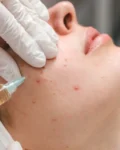
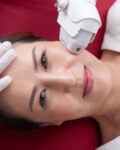
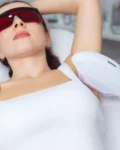
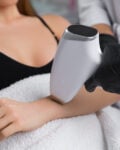
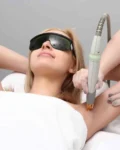
We assess scars by type and depth before recommending anything. Laser treatment for acne scars uses controlled energy to encourage new collagen, which can improve the appearance of uneven texture over a series of sessions. Microneedling creates tiny controlled channels that support the skin’s own repair process. Chemical peels may help soften shallow scarring and even out lingering discolouration. For clients dealing mostly with leftover redness, Laser Genesis is a gentle place to start.
Most people need several sessions, and change builds gradually. Results vary from person to person, which is why every plan starts with a consultation.
Frequently Asked Questions
1. How long does an acne spot treatment take to work?
Most active pimples improve within three to five days of consistent use. If a spot has not changed after a week or two, it probably needs a different approach.
2. Where can I find acne scar treatment near me in Edmonton?
Oxyderm Laser Clinic offers consultations for acne scarring in Edmonton, with laser, microneedling, and peel options matched to your skin.
3. Is laser treatment for acne scars safe for darker skin tones?
Many lasers can be used on a wide range of skin tones when the device and settings are chosen carefully. We go over this in detail during your consultation.
Ready for a Plan That Goes Beyond the Spot
If you are tired of chasing one breakout after another, or you are ready to work on the marks they left behind, we would love to help. Book a consultation at Oxyderm Laser Clinic in Edmonton and we will look at your skin together and build a plan that fits it.