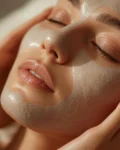

I just want my skin to look brighter.” We hear some version of this nearly every week, and it can mean very different things. For one person it means dull, grey-looking skin after a long winter. For another it means dark spots from the sun, patches of melasma, or marks left over from old breakouts.
That difference matters, because the right skin brightening treatment depends on what is actually causing the dullness. This guide walks through what works, what is mostly hype, and how we build brightening plans for clients in Edmonton.
First, Figure Out Why Your Skin Looks Dull
Dullness and pigmentation are not the same thing, even though people often use the words interchangeably.
Dull skin usually comes from dead cells building up on the surface, dehydration, or a damaged moisture barrier. The skin simply is not reflecting light well. Pigmentation is different. It is extra melanin in specific areas, caused by sun exposure, hormones, inflammation, or a mix of all three.
Sunspots, melasma, and post-acne marks each respond to different approaches. Treating melasma the same way you would treat a sunspot can actually make it darker, which is why a proper skin assessment comes before anything else.
The At-Home Habits That Truly Make a Difference
No clinic treatment will hold its results without daily sunscreen. This is not us being dramatic. UV exposure is one of the biggest triggers for uneven tone, and here on the prairies we get plenty of it. Snow reflects a surprising amount of UV in winter too, so sunscreen is a twelve-month habit in Edmonton.
Beyond that, a handful of ingredients have solid evidence behind them. Vitamin C helps protect against environmental stress and can improve radiance with steady use. Niacinamide supports the skin barrier and may help reduce the look of dark spots. Azelaic acid is excellent for redness and post-acne marks. Tranexamic acid has become a favourite for stubborn discolouration, including melasma. Retinoids speed up cell turnover and help fade marks over time.
You do not need all of them. Two or three used consistently will do far more than ten used randomly.
Professional Brightening Treatments Worth Considering
A brightening facial treatment is often where we start. It combines deep cleansing, exfoliation, and targeted serums to lift away dull surface buildup. Most people leave with an immediate glow, and a regular series can help keep tone more even.
Chemical peels go a step further. Carefully chosen acids loosen pigmented cells so they shed faster. Lighter peels have very little downtime, while stronger ones may mean a few days of flaking.
Dermaplaning gently removes dead skin and fine facial hair. It is great for instant smoothness and helps your products absorb better, though on its own it will not fade deeper pigment.
Microneedling encourages the skin to renew itself and can help with uneven texture and some types of marks. We are careful with it on melasma-prone skin.
Laser and light-based treatments can target sun damage very effectively in the right candidate. They need to be chosen with care, especially for deeper skin tones and anyone with melasma, since the wrong heat or settings can trigger more pigment.
Skin Tone Matters More Than Most Guides Admit
Deeper skin tones are more likely to develop post-inflammatory pigmentation after irritation. That does not mean brightening treatments are off the table. It means the approach needs to be gentler and slower, with a strong focus on preparing the skin first. We often start with barrier support and topical care for a few weeks before moving to peels or devices.
What Does Not Work, and What Can Backfire
Lemon juice, baking soda, and gritty homemade scrubs damage the barrier and can make pigment worse. Skin lightening creams bought online from unknown sellers are a genuine concern, as some have been found to contain mercury or unregulated steroids. If a product promises dramatic whitening in a week, walk away.
Over-exfoliating is another common trap. Using several acids at once can leave skin inflamed, and inflammation is one of the main triggers for new dark spots.
Realistic Timelines
Skin renews itself roughly every four to six weeks, and that slows as we age. Dullness can improve after one facial. Sunspots often take a few sessions. Melasma is a long-term condition that is managed rather than erased, and it tends to need patience and ongoing sun protection. Results vary for everyone, which is why we map out a personalized plan.
Frequently Asked Questions
What is the best skin brightening treatment?
There is no single best option. For dullness, a brightening facial or gentle peel is a good start. For sunspots or melasma, a combination plan built around your skin type usually works better.
How often should I get a brightening facial treatment?
Every four to six weeks works well for most people, especially during a treatment series.
Can I brighten my skin safely if I have darker skin?
Yes, with the right approach. We focus on gentle, gradual methods that respect your skin’s tendency to pigment.
Let Us Help You Find Your Glow
If your skin has been looking tired or uneven, we would be glad to take a closer look. Book a consultation at Oxyderm Laser Clinic in Edmonton and we will recommend a brightening plan that suits your skin, your schedule, and your goals.