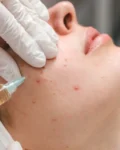

Microneedling has become one of the most requested treatments at our clinic, and for good reason. It is versatile, it works with your skin’s own repair process, and it suits a wide range of concerns. The catch is that “microneedling” now covers several quite different treatments, and the right one depends entirely on what you want to change.
If you are researching microneedling in Edmonton, this guide will help you understand your options, what the recovery actually looks like, and how to read microneedling before and after photos with a realistic eye.
How Microneedling Works
During a session, a device with very fine needles creates thousands of tiny, controlled channels in the skin. Your body responds by kicking off its natural healing process, which includes producing new collagen and elastin. Over the following weeks and months, this may help smooth texture, soften scarring, and firm the skin.
The depth of the needles is adjusted for each area of the face and each concern. Thin skin around the eyes is treated very differently from acne scarring on the cheeks.
The Main Types of Microneedling
Standard microneedling uses a professional pen device, usually paired with a hyaluronic acid serum to hydrate and support the skin as it heals. It is a great all-round option for texture, fine lines, and general skin renewal.
Microneedling with PRP adds platelet-rich plasma prepared from a small sample of your own blood. PRP contains growth factors, and many clients choose it for acne scars or under-eye concerns, hoping for a stronger response. It takes a little longer and involves a blood draw, so it is a personal decision we discuss openly.
RF microneedling combines the needles with radiofrequency energy that heats the deeper layers of skin. This version is often chosen for loose skin, deeper scarring, and firming along the jawline. It generally involves more intensity and a bit more recovery.
Matching the Treatment to Your Goal
For acne scars, standard microneedling or PRP microneedling are both common choices, with RF sometimes added for deeper rolling scars. Fine lines and early signs of aging often respond well to standard microneedling, and RF becomes more appealing once firmness is the main concern. Enlarged pores and rough texture usually do well with standard sessions.
Stretch marks can also be treated, though they tend to need more sessions and patience. For pigmentation, we are more cautious. Microneedling can help some marks, but it is not always the best first step for melasma.
The honest answer to “which one is best” is the one that matches your skin, your budget, and how much downtime you can manage. That is exactly what a consultation is for.
What Recovery Really Looks Like
On the day of your treatment, your skin will look pink to red, a lot like a mild sunburn. It may feel warm and tight. By the second and third day, redness fades and the skin often feels dry, rough, or slightly flaky. Around day four or five, most people look like themselves again, sometimes with a fresher glow as the flaking clears.
RF microneedling may involve a few extra days of redness or small grid-like marks that fade on their own.
How to Read Microneedling Before and After Photos
Before and after photos are helpful, but they need context. Check that the lighting, angle, and makeup are the same in both images. Look for how many sessions the person had and how long after the last one the second photo was taken. Most importantly, look for clients whose skin type and concern are close to yours.
Real change from microneedling is gradual. Collagen keeps building for several months, so the most meaningful results often appear well after the final session. Results vary between individuals.
How Many Sessions You Will Need
Most people book three to six sessions spaced four to six weeks apart. Deeper acne scarring usually sits at the higher end. After a series, one or two maintenance visits a year can help keep the skin looking its best.
Who Should Wait
Microneedling is not recommended over active acne breakouts, open wounds, or skin infections. If you are prone to cold sores, let us know so you can speak with your doctor about preventive medication before your visit. We also avoid treating during pregnancy, within several months of isotretinoin, or if you tend to form keloid scars.
Aftercare Basics
For the first 24 hours, keep your skin clean and skip makeup. Avoid exfoliating acids, retinoids, and vitamin C for three to five days. Stay out of saunas, pools, and heavy workouts for a couple of days, and use a gentle moisturizer and broad spectrum sunscreen every morning.
Frequently Asked Questions
Does microneedling hurt?
We apply a numbing cream before treatment, so most people feel pressure and light vibration rather than pain.
When will I see results?
Some clients notice a glow within a week. Texture and scar changes usually show over two to three months.
Is microneedling safe for all skin tones?
It is generally considered a good option for many skin tones because it does not rely on heat at the surface, though settings are always adjusted carefully.
Find the Right Microneedling Plan for You
If you are thinking about microneedling in Edmonton, we would be happy to walk you through the options in person. Book a consultation at Oxyderm Laser Clinic and we will recommend the treatment that fits your skin goals.