

All You Need to Know About Dermal Fillers
The aging process brings wisdom and experience, but it also brings changes to our facial appearance. We lose volume in key areas like the cheeks and under the eyes, and lines that once only appeared with expression become etched into our skin. These changes can make us look tired or older than we feel. For those seeking to restore a youthful, refreshed look without undergoing surgery, dermal fillers have become a cornerstone of modern aesthetic medicine.
Dermal fillers are one of the most popular and versatile tools for non-surgical facial rejuvenation. They offer a safe and effective way to smooth wrinkles, restore lost volume, and enhance facial contours with immediate, natural-looking results. At OxyDerm Laser Clinic in Edmonton, we help clients achieve their aesthetic goals using these advanced injectable treatments. This guide will cover everything you need to know about dermal fillers, from how they work to what you can expect from the procedure.
What Are Dermal Fillers?
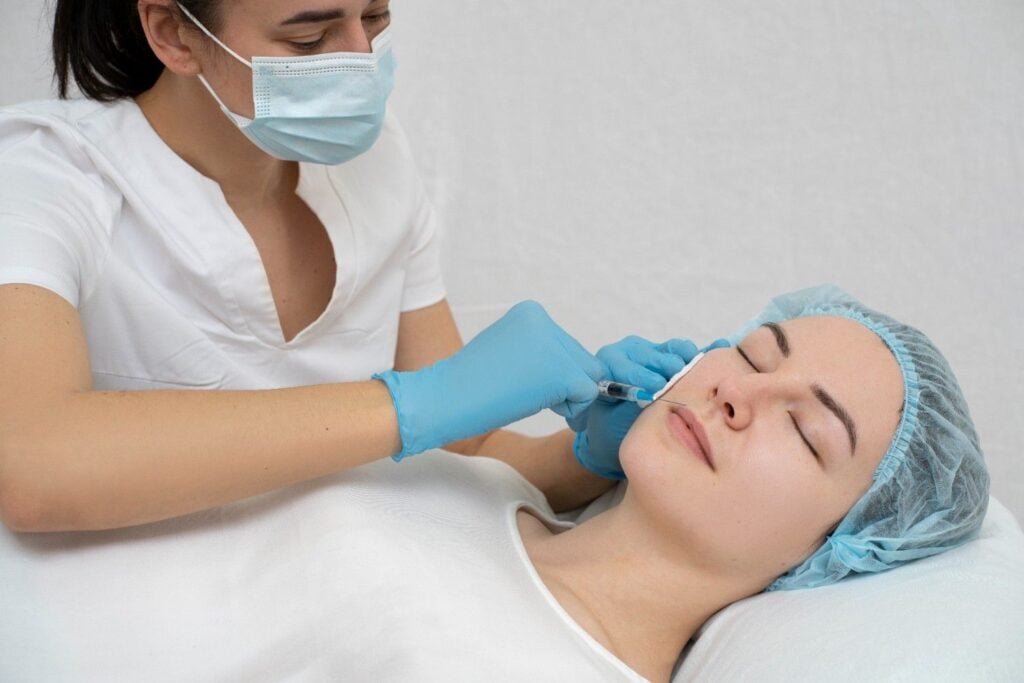
Dermal fillers are gel-like substances that are injected beneath the skin to restore lost volume, smooth lines, soften creases, or enhance facial contours. Unlike neurotoxins like Botox, which work by relaxing facial muscles to reduce dynamic wrinkles, fillers work by literally “filling in” areas that have lost volume or require more definition.
The vast majority of modern fillers are made from hyaluronic acid (HA). Hyaluronic acid is a naturally occurring sugar molecule found in your own body, primarily in the skin, eyes, and connective tissues. Its main function is to retain water, keeping tissues hydrated, lubricated, and plump. An HA molecule can hold up to 1,000 times its weight in water, making it a natural and highly effective volumizer.
Because HA is a substance our bodies already recognize, HA-based fillers are biocompatible, have a very low risk of allergic reaction, and can be dissolved if necessary, providing an excellent safety profile.
How Dermal Fillers Combat the Signs of Aging
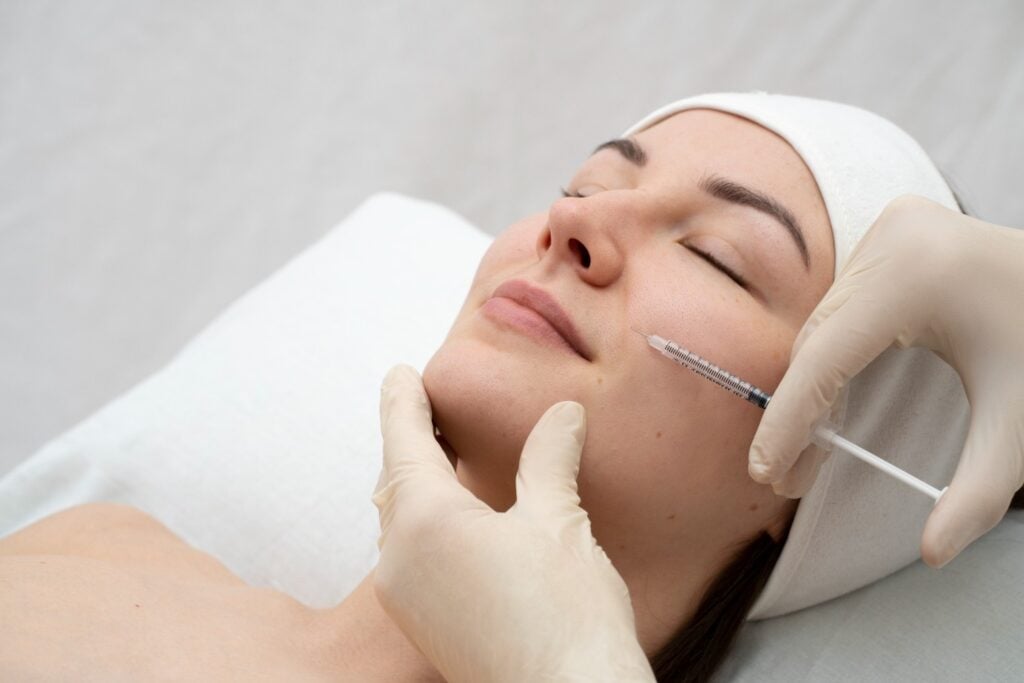
Fillers are a versatile solution that can address a wide range of aesthetic concerns stemming from volume loss and aging. Here’s how they provide their rejuvenating effects:
- Restoring Volume: As we age, the fat pads in our face begin to shrink and descend. This is most noticeable in the cheeks, temples, and under the eyes, leading to a hollowed or sunken appearance. Fillers replace this lost volume, lifting the skin and restoring youthful contours. A common example is cheek enhancement, which can lift the entire mid-face.
- Smoothing Wrinkles and Folds: Static wrinkles are lines that are visible even when the face is at rest. These are often caused by a combination of volume loss and skin laxity. Fillers can be injected directly into these lines, such as the nasolabial folds (the “smile lines” running from the nose to the mouth) or marionette lines (lines running from the corners of the mouth downwards), to plump them up and create a smoother surface.
- Enhancing Facial Features: Fillers are not just for anti-aging. They are also widely used for cosmetic enhancement. Lip fillers can add volume and definition to thin or asymmetrical lips. Fillers can also be used to sculpt the jawline, improve the projection of the chin, or even perform a “non-surgical nose job” by smoothing out bumps on the nasal bridge.
The Different Types of Dermal Fillers
While hyaluronic acid fillers are the most common, different HA products have unique properties. They vary in thickness, viscosity, and elasticity, making them suitable for different areas and purposes.
- Thinner, Softer Fillers: These are ideal for treating fine lines or for delicate areas like under the eyes (tear troughs) and the lips, where a smooth, natural result is essential. They integrate seamlessly into the tissue.
- Thicker, More Robust Fillers: These are designed to provide structure and lift. They are used for procedures like cheek enhancement, where the goal is to rebuild the facial framework, or for sculpting a more defined jawline. Their thicker consistency allows them to hold their shape and provide significant volume.
During your consultation, an experienced injector will select the right type of filler, or combination of fillers, to achieve your desired outcome.
Popular Treatment Areas for Dermal Fillers
The versatility of fillers allows for a fully customized approach to facial rejuvenation. Some of the most popular treatment areas include:
- Cheeks: Cheek enhancement is a foundational treatment that can have a profound impact on the entire face. By restoring volume to the mid-face, it can lift the jowls, soften nasolabial folds, and create a more youthful “V” shape to the face.
- Lips: Lip fillers are used to add volume, improve symmetry, define the lip border (vermillion border), and smooth vertical lip lines. Modern techniques focus on creating natural-looking results that are proportional to the rest of the face.
- Under-Eyes (Tear Troughs): A hollowed appearance under the eyes can create dark circles and a perpetually tired look. A skilled injector can use a soft filler to carefully fill in this area, resulting in a smoother transition from the lower eyelid to the cheek and a more rested appearance.
- Nasolabial Folds and Marionette Lines: Directly filling these prominent folds can instantly take years off your appearance, creating a softer and more pleasant expression.
- Jawline and Chin: For those seeking a more defined and sculpted lower face, fillers can be used to sharpen the angle of the jaw, camouflage jowls, and improve the projection of a weak chin, balancing the facial profile.
What to Expect During and After Your Filler Treatment
Knowing the process can help you feel confident and prepared for your appointment.
- The Consultation: Every treatment at our Edmonton clinic begins with a detailed consultation. This is the most important step. You will discuss your concerns and goals with an expert injector who will analyze your facial anatomy, and recommend a personalized treatment plan, including the type and amount of filler needed.
- The Procedure: On the day of your appointment, the treatment area will be cleansed. A topical numbing cream may be applied to ensure your comfort, although many modern fillers also contain lidocaine (a local anesthetic) mixed into the gel. The injector will then use a fine needle or a blunt-tipped cannula to strategically place the filler into the targeted areas. The process is relatively quick, typically taking 15-30 minutes depending on the areas being treated.
- Immediate Results: One of the most satisfying aspects of dermal fillers is that the results are visible immediately. You will be able to see the added volume and smoothing effect right after the procedure.
- Aftercare and Recovery: There is minimal downtime associated with dermal fillers. You can typically return to your normal activities right away. However, you may experience some temporary swelling, redness, or bruising at the injection sites. These side effects are usually mild and resolve within a few days to a week.
Your injector will provide you with aftercare instructions, which may include:
- Avoiding strenuous exercise for 24 hours.
- Staying away from excessive heat (like saunas) for a day or two.
- Avoiding alcohol for 24 hours to minimize bruising.
- Gently applying a cold compress to reduce swelling.
The final results will settle in after about two weeks, once any swelling has completely subsided. HA fillers are not permanent; they are gradually and safely absorbed by the body over time. Depending on the type of filler used and the area treated, results typically last from 6 to 18 months.