
Key takeaways
- IPL targets the dilated blood vessels that cause persistent redness and visible capillaries, the most treatable parts of rosacea.
- Most clients see 50–75% less redness after 3–5 sessions, 3–4 weeks apart, with maintenance once or twice a year.
- IPL does not cure rosacea or treat papules and pustules; it manages the vascular component alongside your dermatologist’s plan.
- Light skin types respond best; Laser Genesis is our choice for deeper skin tones or very sensitive skin.
Why rosacea makes skin red
Rosacea is a chronic condition in which the small blood vessels of the central face dilate too easily and, over time, stay dilated. The result is persistent flushing across the cheeks and nose, visible broken capillaries (telangiectasia), and in some people bumps and pustules that look like acne. Triggers, wind and cold, heat, alcohol, spicy food, stress, sun, make it flare. Topical and oral medications from your doctor manage the inflammation and bumps; light-based treatments are the most effective option for the redness and visible vessels.
How IPL treats redness
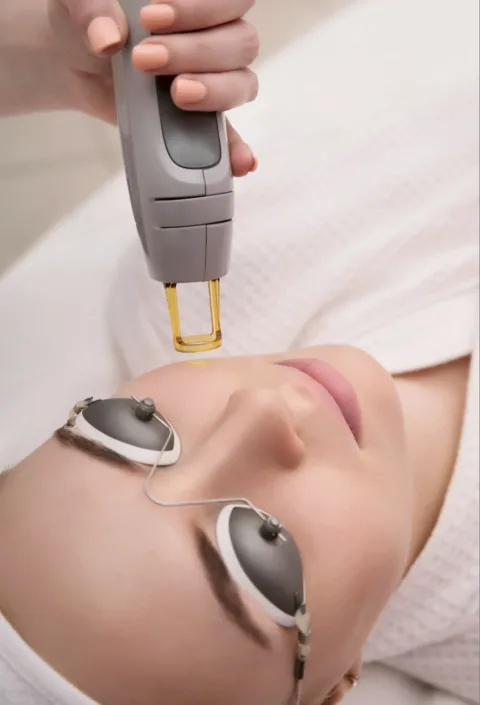
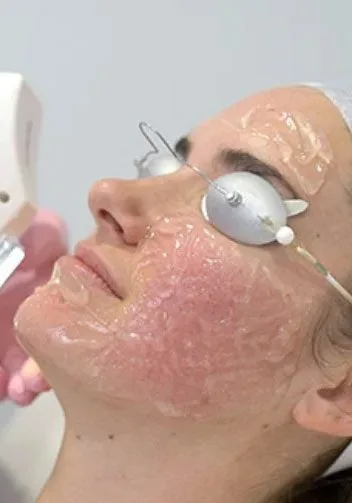
An IPL PhotoFacial delivers a broad spectrum of light that is absorbed by haemoglobin in the blood vessels. The vessel heats, collapses and is reabsorbed by the body over the following weeks. Because the light is filtered to target red (and, separately, brown pigment), it treats diffuse flushing and individual capillaries in the same session while leaving surrounding skin unharmed. Sessions take 30–45 minutes; the sensation is a warm snap under a cooled handpiece.
| Concern | IPL result | Sessions |
|---|---|---|
| Diffuse cheek and nose redness | 50–75% reduction | 3–5 |
| Visible capillaries | Most clear | 2–4 |
| Flushing frequency | Fewer, milder flares | 3–5 |
| Papules / pustules | Not treated, see your physician | , |
| Sun spots (often present too) | Darken then flake in 7–10 days | 2–4 |
IPL vs. Laser Genesis for redness
Laser Genesis (1064 nm Nd:YAG) gently heats the upper dermis to shrink the vessels and calm inflammation. It is less powerful per session than IPL but far gentler, has no downtime, and is safe for all skin tones. Which makes it our preference for deeper skin, very reactive skin, or clients who cannot tolerate any redness after treatment.
| IPL PhotoFacial | Laser Genesis | |
|---|---|---|
| Best for | Light skin, visible capillaries, redness + sun spots | Darker or sensitive skin, diffuse redness, texture |
| Sessions | 3–5, 3–4 weeks apart | 4–6, 2–4 weeks apart |
| Downtime | Pink for hours; spots darken for a week | None |
| Skin tones | I–III (IV with caution) | All |
| Sensation | Warm snaps | Warm, relaxing |
Some clients do both: IPL for the capillaries, Laser Genesis for maintenance and general calming between IPL series.
What a treatment series looks like
- Consultation. We confirm your skin type, review any rosacea medications (some, like isotretinoin, require a waiting period) and photograph the redness in standardised light.
- Sessions 1–3. Three to four weeks apart. Redness is slightly worse for a few hours, then progressively calmer over the following weeks.
- Session 4–5 (if needed). For stubborn capillaries or diffuse redness on the nose.
- Maintenance. One or two sessions a year, because rosacea keeps creating vessels: treatment manages it, it does not cure it.
Why winter is the right time in Edmonton
IPL requires untanned skin, and treated skin should be protected from sun for two weeks. Edmonton’s October-to-March stretch is ideal. Ironically, winter is also when rosacea is at its worst, wind, cold and dry furnace air are classic triggers, so treating in the off-season lines up nicely with when clients want relief most. Bring a scarf; we will send you home with a barrier moisturiser and mineral SPF.
Managing rosacea between sessions
- Daily mineral SPF 30+ (zinc oxide is also anti-inflammatory).
- A gentle, fragrance-free cleanser and a barrier-repair moisturiser with ceramides or niacinamide.
- Keep a trigger diary: alcohol, hot drinks, sauna and spicy food are the usual suspects.
- Avoid physical scrubs, alcohol-based toners and strong acids.
- Continue prescribed treatments; tell us if anything changes so we can adjust your plan.
If persistent redness is affecting how you feel about your skin, book a free consultation. We will tell you honestly whether IPL, Laser Genesis or a referral to your physician is the right first step.
Your questions, answered
Straight answers from the Oxyderm clinical team on the questions this article raises. Browse all 89 answers or ask us directly.
Does IPL cure rosacea?
No. IPL treats the dilated vessels and redness of rosacea very effectively, but the condition is chronic and new vessels form over time, so maintenance sessions once or twice a year are typical.
How many IPL sessions do I need for redness?
Most clients see 50–75% less redness after 3–5 sessions spaced 3–4 weeks apart.
Does IPL hurt?
It feels like warm elastic-band snaps under a cooled handpiece. Skin is pink and warm for a few hours afterwards.
Is IPL safe for dark skin?
IPL is best for lighter skin types. For deeper skin tones we recommend Laser Genesis, which treats redness safely on all skin tones.
Can IPL treat the bumps of rosacea?
No. Papules and pustules are inflammatory and need topical or oral medication from your physician. IPL treats the vascular redness and capillaries.
How long do IPL results last?
Treated vessels do not return, but rosacea can create new ones. Most clients maintain results with one or two sessions a year.
What should I avoid before IPL?
Sun and self-tanner for two weeks, retinoids and exfoliating acids for 5–7 days, and tell us about any photosensitising medications or isotretinoin.
Certified laser technicians, medical aestheticians and nurses in Edmonton. Every article is reviewed by our clinical team; it is general information, not a substitute for a consultation.