Key takeaways
- Spider veins are small, dilated surface vessels on the legs and face. They are almost always harmless, but they rarely fade on their own.
- Laser vein removal uses targeted light energy to collapse the vein so your body gradually reabsorbs it over the following weeks.
- Most clients need 1 to 3 sessions of 30 to 45 minutes, spaced 4 to 6 weeks apart, with minimal downtime.
- A consultation matters, because vein size, depth and your skin tone determine the right settings and honest expectations.
Free consultation
Talk to our team about what you just read, no obligation.
Related treatments
Those Little Red Lines That Never Go Away
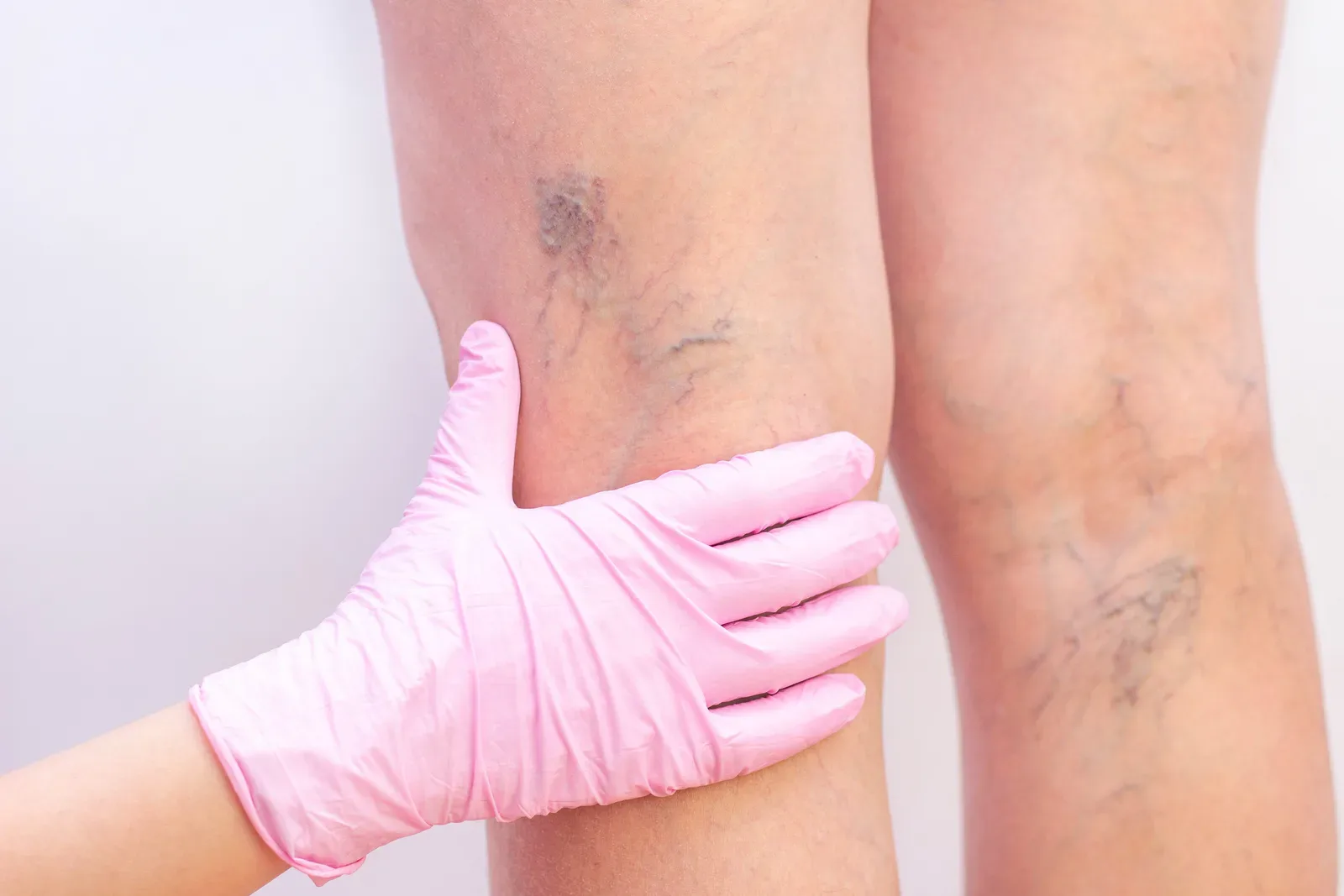
Spider veins have a way of showing up quietly: a few fine red or purple threads behind a knee, a small web on a thigh, a broken-looking vessel beside a nostril. They do not hurt, and in almost all cases they are medically harmless. They are also remarkably stubborn. Creams do not reach them, exercise does not clear them, and once a surface vessel has dilated and stayed that way, it generally does not shrink back on its own.
That is why laser vein removal exists, and it is one of the quieter success stories in medical aesthetics: a short, well-tolerated treatment that makes small surface veins fade over a few weeks, usually in one to three sessions.
Why Spider Veins Appear in the First Place
Spider veins form when tiny blood vessels near the skin's surface dilate and stay dilated. Genetics is the biggest factor, so if your parents had them, you likely will too. Beyond that, long hours standing or sitting, pregnancy and hormonal shifts, sun exposure on the face, and ordinary aging all contribute. On the face, pressure and sun damage are common culprits; on the legs, gravity and circulation do most of the work. None of this means you did anything wrong. It mostly means you have skin and a family tree.
How Laser Vein Removal Actually Works
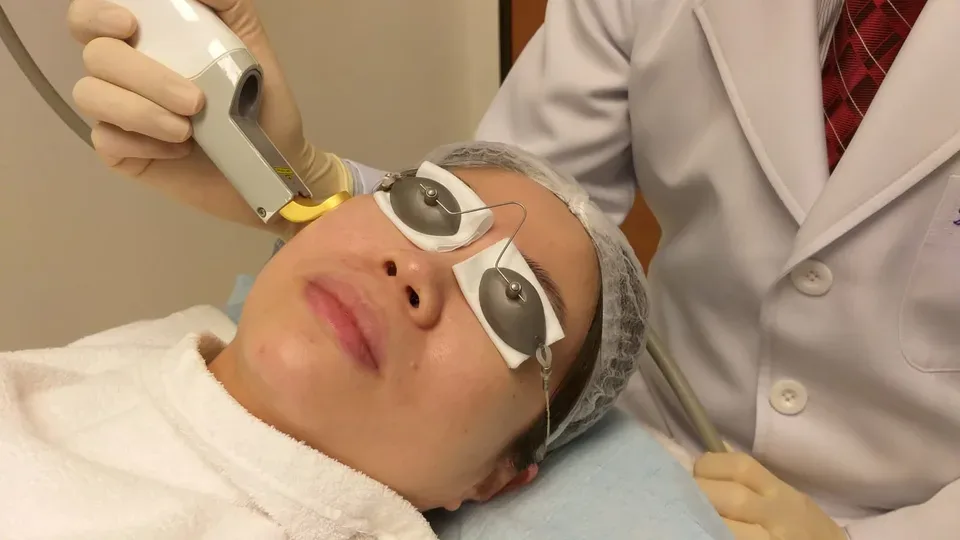
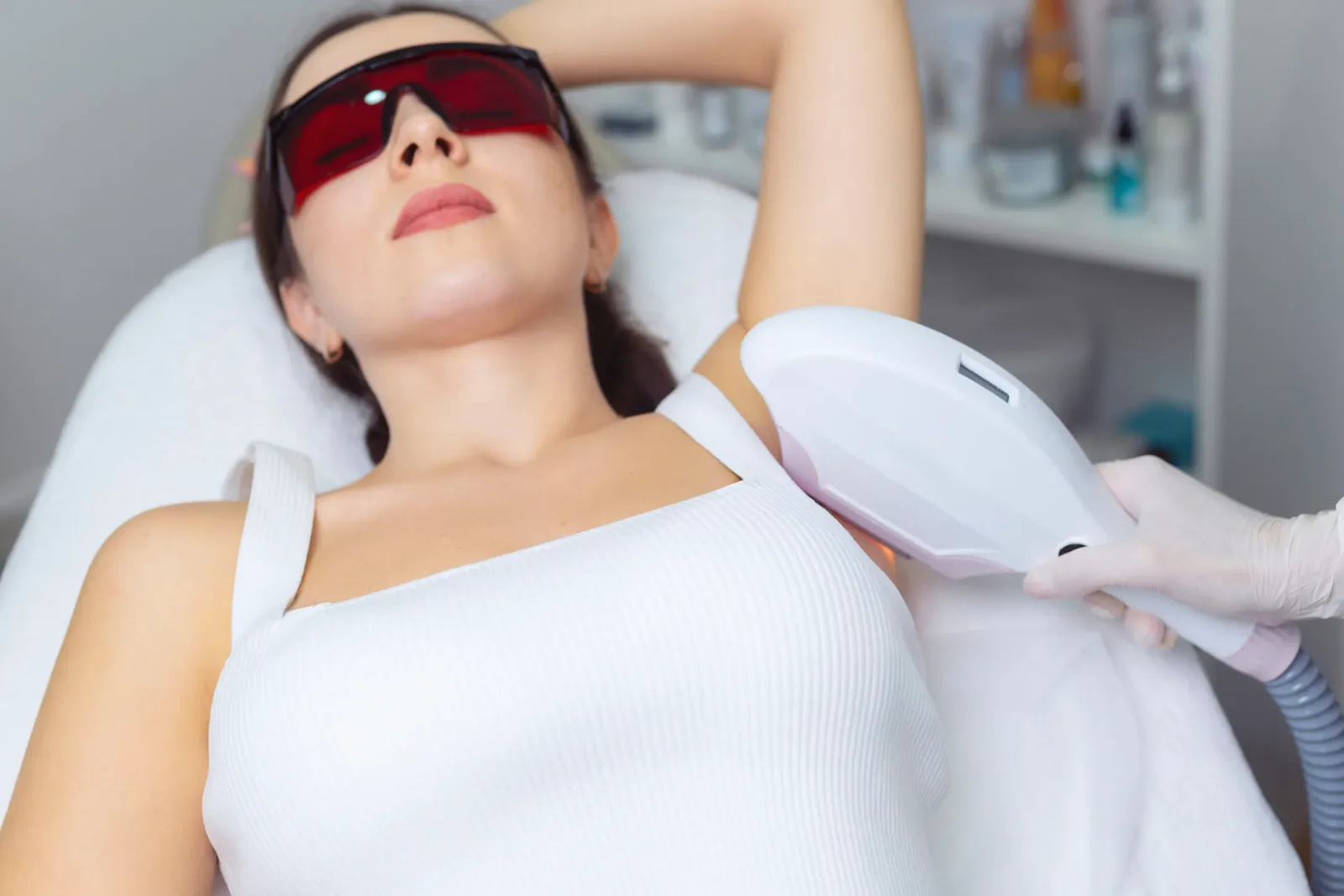
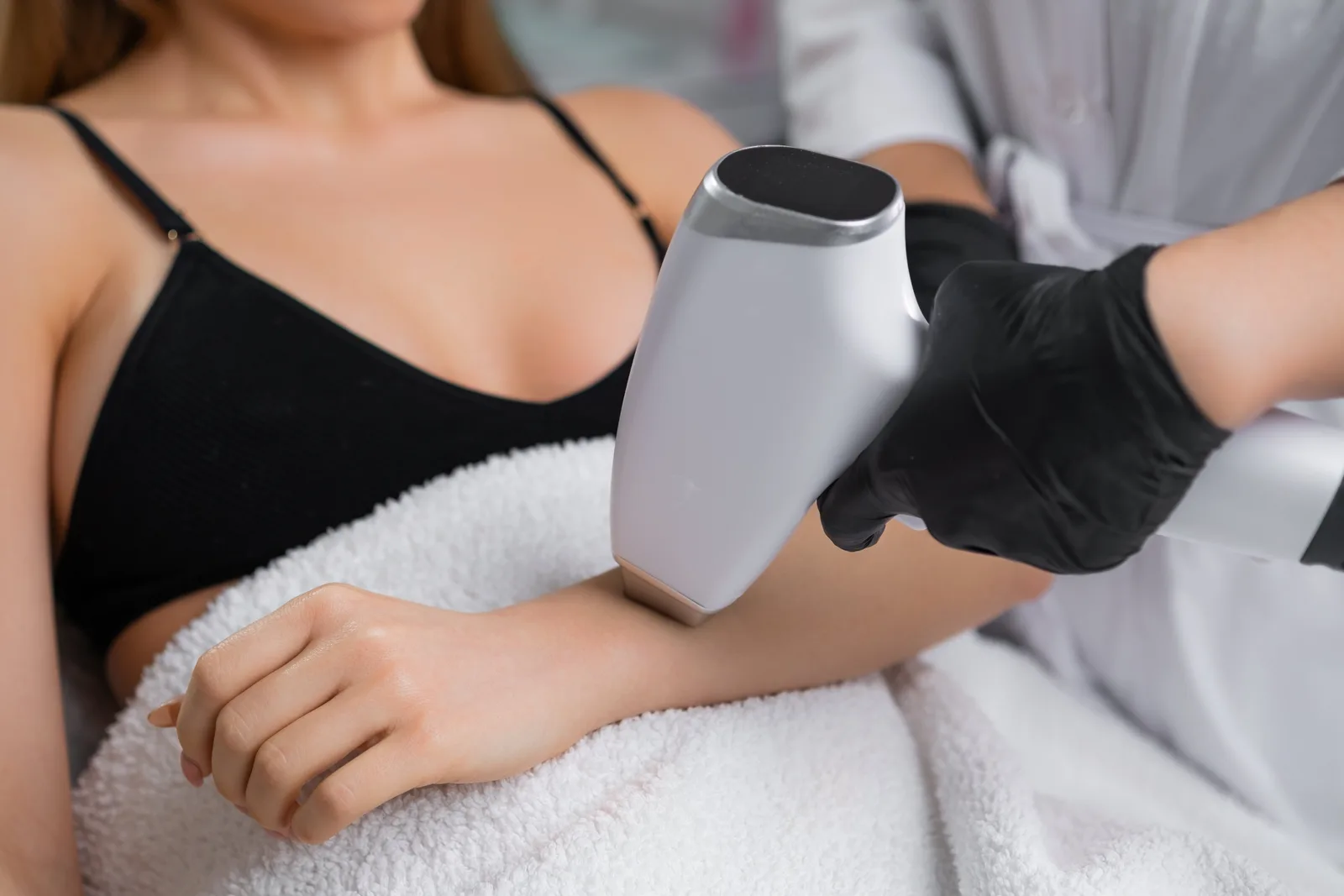
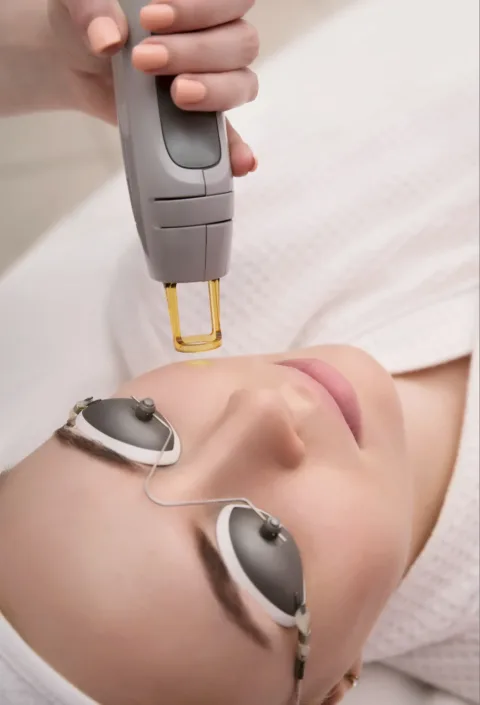
The treatment directs targeted laser energy at the pigment in the blood within the vein. The vessel wall absorbs that energy, heats, and collapses, while the surrounding skin stays untouched. From there your body does the rest: over the following weeks, the sealed-off vessel is gradually reabsorbed and fades from view. Nothing is cut and nothing is injected, which is what separates laser treatment of small surface veins from sclerotherapy or surgical options used for larger varicose veins.
A session at our Edmonton clinic takes about 30 to 45 minutes depending on the area treated. Most people describe the sensation as a series of quick warm snaps, brief enough that no numbing is usually needed.
How Many Sessions, and What Results Look Like
Most clients need 1 to 3 sessions spaced 4 to 6 weeks apart. Fine facial vessels often respond fastest, sometimes after a single visit, while clusters on the legs more commonly need the full course. The fading is gradual rather than instant, because reabsorption takes time: expect to see the real result a few weeks after each session rather than the same day. Results vary by individual, and we will give you a realistic session estimate at your consultation rather than an optimistic one.
One honest note: laser treatment addresses the veins you have today. It does not change the genetics or circulation that created them, so new vessels can appear over the years. Many clients come back for a short touch-up session every year or two and consider that a fair trade.
What About Downtime and Aftercare?
Downtime is minimal. Treated areas can look slightly red or feel like a light sunburn for a day or so, and on the legs you may be asked to avoid hot tubs, saunas and hard exercise briefly. Sun protection matters most: treated skin should be kept out of strong sun while it settles, which is one reason fall, winter and spring are popular seasons for leg vein treatment in Edmonton, well before shorts weather returns.
Is It Safe for Your Skin Tone?
Vein treatments depend on targeting pigment inside the vessel, so laser choice and settings matter, especially for deeper skin tones. Our clinic treats a wide range of skin types, and the consultation includes an assessment of your skin tone and the specific vessels involved so the settings are matched to you. If a particular vein is not a good laser candidate, we will say so plainly rather than treat it anyway.
Spider Veins vs Varicose Veins
These get confused constantly. Spider veins are small, flat, surface-level threads. Varicose veins are larger, raised, often rope-like vessels that can ache and may signal underlying circulation issues; those belong with a vein specialist or physician rather than an aesthetic laser. If you are unsure which you have, a consultation can sort it out quickly, and we will refer you onward if what you have is beyond what laser treatment should handle. Related vessel concerns like facial redness and vascular lesions can also be assessed at the same visit, and persistent rosacea-type redness is often better served by an IPL PhotoFacial.
Booking Laser Vein Removal in Edmonton
Oxyderm Laser Clinic and Academy is at 6958 76 Ave NW #211 in southeast Edmonton, with free parking and Saturday hours. Your free consultation covers whether your veins are good laser candidates, how many sessions to expect, and transparent pricing before you commit to anything. Request a consultation online or call (780) 863-7561.
Your questions, answered
Straight answers from the Oxyderm clinical team on the questions this article raises. Browse all 88 answers or ask us directly.
Do treatments require downtime?
While many of our services are designed to have minimal downtime, this depends on the specific treatment. We’ll provide aftercare instructions to ensure you recover quickly.
Are consultations required before starting treatments?
Yes, we recommend consultations to understand your needs and create a personalized treatment plan.
Does medical insurance cover cosmetic procedures?
Most cosmetic treatments are not covered by insurance. However, we can explore payment plans or packages to suit your budget.
How should I prepare for my treatment?
Preparation varies per service but typically includes avoiding sun exposure, certain medications, or skincare products beforehand.
Can I combine different treatments in one session?
Yes, we often create combination plans to achieve complementary results effectively and efficiently.
Certified laser technicians, medical aestheticians and nurses in Edmonton. Every article is reviewed by our clinical team; it is general information, not a substitute for a consultation.