
Key takeaways
- See a clinic or physician when acne is painful, cystic, leaving marks, spreading to chest or back, or affecting your teen’s confidence, not after it scars.
- Teens do well with acne facials, gentle peels and laser or LED treatments; we avoid aggressive resurfacing on young skin.
- A parent or guardian attends the consultation and signs consent for clients under 18.
- Treating early is the single best way to prevent the scars that are far harder to fix later.
Normal breakouts vs. acne that needs help
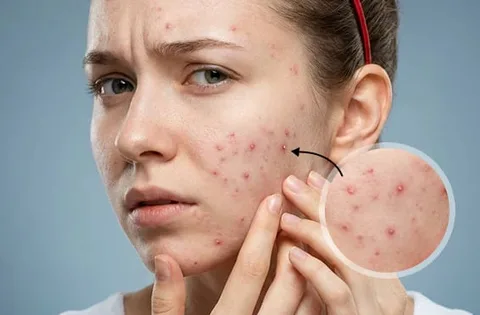
Around 85% of teenagers get acne; hormones ramp up oil production, pores clog, and bacteria do the rest. A few whiteheads and blackheads before a big week are normal and usually respond to a consistent routine. Acne that needs more than a drugstore aisle looks like this:
- Painful, deep bumps or cysts under the skin, especially along the jaw and cheeks.
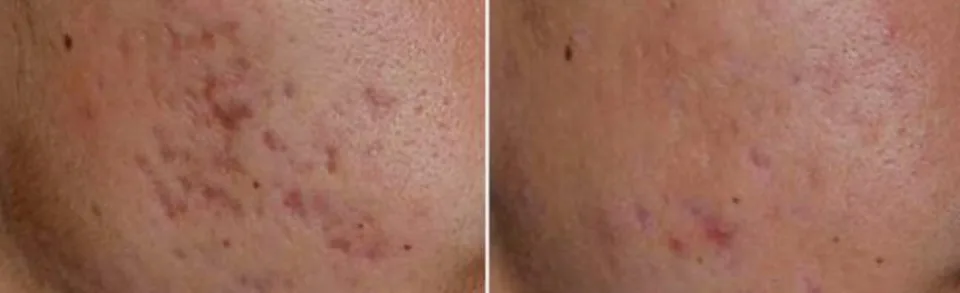
- Marks that linger: red or brown spots that stay for weeks after a pimple heals (the first sign scarring is possible).
- Breakouts on the chest, shoulders or back.
- No improvement after 8–12 weeks of a consistent benzoyl peroxide or salicylic acid routine.
- Picking: which turns two-week pimples into two-year marks.
- It’s changing how they act: avoiding photos, sports or friends, or hiding under hair and hoodies.
What a clinic can do for teenage skin
Teen skin is oily, reactive and still developing, so the plan is gentler than an adult’s. At Oxyderm we start with the least intensive option that will work and build only if needed.
| Treatment | What it does | From age | Frequency |
|---|---|---|---|
| Acne facial | Deep cleanse, safe extractions, calming actives; teaches the routine | 13+ | Every 2–4 weeks |
| Gentle chemical peel (salicylic / mandelic) | Clears pores, reduces oil, fades red marks | 14+ | Every 4 weeks, series of 4–6 |
| LED blue / red light | Kills acne bacteria, calms inflammation; painless | 13+ | Weekly during a flare |
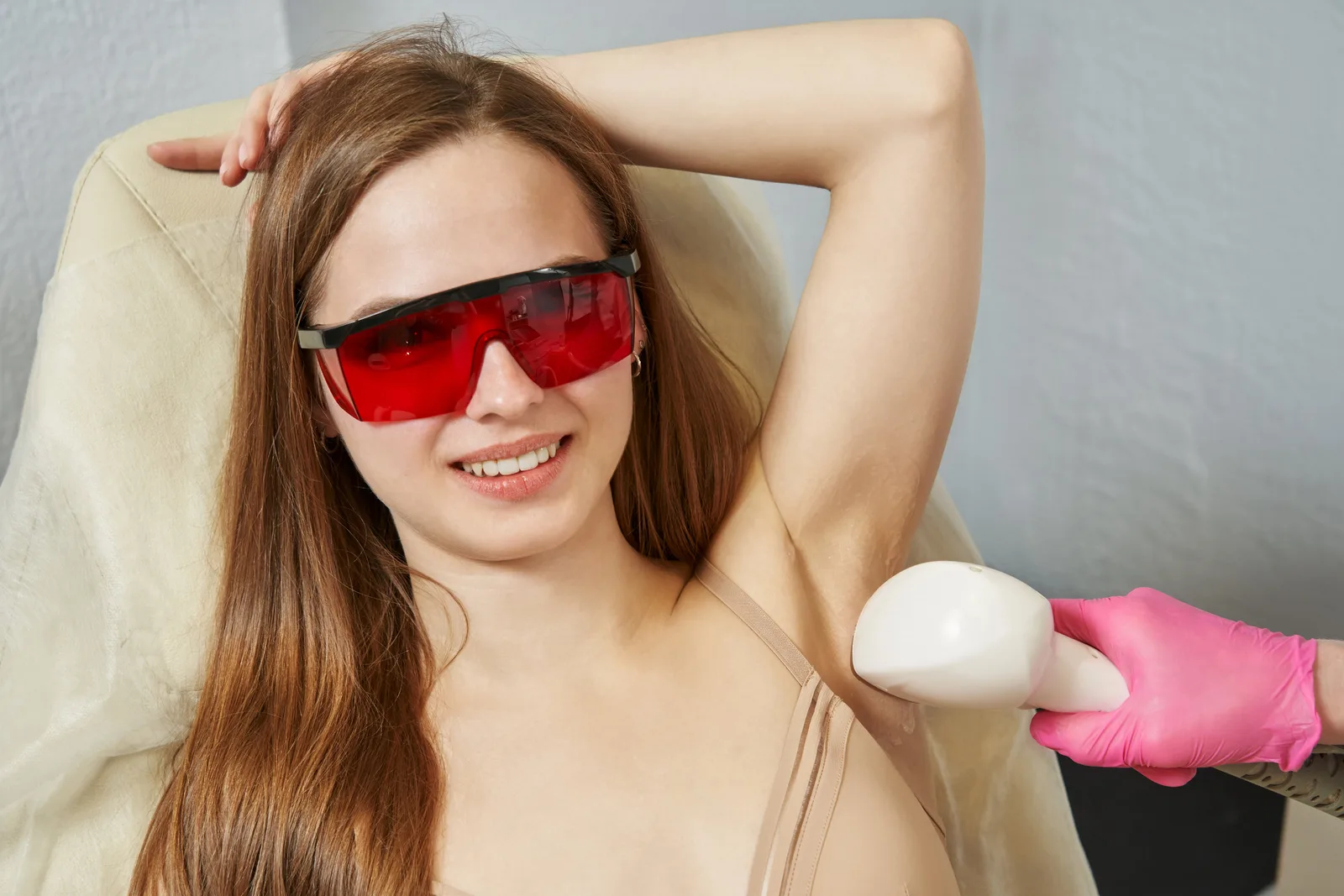
| Acne laser treatment | Targets bacteria and oil glands; reduces active acne and redness | 15+ | 4–6 sessions, 2–4 weeks apart |
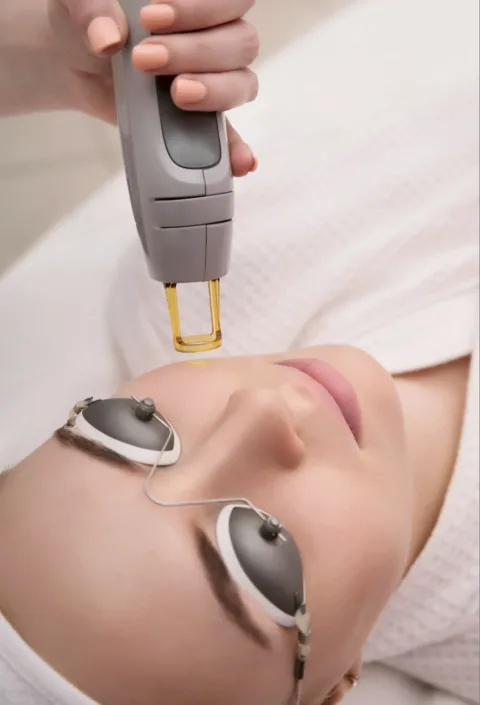
| Carbon laser facial | Oil control, pore cleansing, glow; zero downtime | 15+ | Monthly |
What we do not do on teens: deep peels, aggressive resurfacing or anything with real downtime. Scar treatments such as microneedling wait until acne is controlled and the skin has matured.
When to see a physician instead (or as well)
- Nodular or cystic acne: prescription retinoids, antibiotics or isotretinoin may be needed, and only a doctor can prescribe them.
- Acne with irregular periods or excess hair in girls (possible PCOS).
- Sudden severe acne, or acne starting before age 10.
- Signs of low mood or withdrawal related to skin, worth raising with your family doctor.
We work alongside physicians all the time. If your teen is on isotretinoin, most in-clinic treatments wait until 6 months after the course; facials and LED can continue with the doctor’s okay.
What the first visit looks like
- A parent or guardian attends and signs consent for clients under 18.
- We look at the skin under magnification, ask about routine, products, diet, sleep and stress, no judgement, teens are honest when adults aren’t scolding.
- We build a simple at-home routine (cleanser, treatment, moisturiser, SPF. Four steps, two minutes) and choose one in-clinic treatment to start.
- Photos in standard lighting so progress is visible in a month; most teens are motivated when they can see it.
How to help at home without the shame
- Keep it practical: acne is hormones and genetics, not dirt or diet failures.
- Never say “stop touching your face” in public. Agree a private signal instead.
- Buy the products together and put them where the routine actually happens.
- Change pillowcases twice a week; wash sports gear and phone screens.
- Sunscreen is non-negotiable: sun darkens the red marks acne leaves behind.
- Celebrate consistency, not clear skin. Results follow.
The goal is not perfect skin at sixteen. It is preventing the scars a thirty-year-old will spend far more time and money trying to fix.
Ready to talk? Request a free consultation: bring your teen, and we will keep it relaxed.
Your questions, answered
Straight answers from the Oxyderm clinical team on the questions this article raises. Browse all 89 answers or ask us directly.
At what age can a teenager get acne treatment at a clinic?
Acne facials and LED from about 13, gentle peels from 14, and laser treatments from around 15 depending on the skin. A parent or guardian attends and signs consent for anyone under 18.
How do I know if my teen’s acne will scar?
Warning signs are deep, painful cysts, marks that linger for weeks after pimples heal, and picking. Treating early is the best prevention.
Is laser safe for teenage skin?
Yes, when settings are adjusted for young, reactive skin. We avoid aggressive resurfacing and start with the gentlest effective option.
Should we see a dermatologist or a clinic?
Cystic or nodular acne needs a physician for prescription treatment. Mild to moderate acne responds well to in-clinic facials, peels, LED and laser, often alongside a doctor’s plan.
How long until we see results?
Most teens see fewer breakouts within 4–8 weeks of a consistent routine plus in-clinic treatments; red marks fade over 2–3 months.
Does diet cause acne?
Genetics and hormones are the main drivers. High-glycaemic foods and dairy may worsen it in some teens, but no diet causes or cures acne on its own.
Can my teen have treatment while on isotretinoin (Accutane)?
Facials and LED can continue with the prescribing doctor’s approval; peels and laser treatments wait until about six months after the course ends.
Certified laser technicians, medical aestheticians and nurses in Edmonton. Every article is reviewed by our clinical team; it is general information, not a substitute for a consultation.