
Key takeaways
- “Texture” covers at least four separate problems. Matching the treatment to the right one is most of the result.
- Surface build-up responds fast and cheaply; structural texture needs collagen remodelling and a course.
- Over-exfoliating is the single most common reason texture gets worse, not better.
- Sun protection preserves more resurfacing results than any product you can buy.
Four problems wearing the same name
When people say their skin texture is uneven, they usually mean one of these — and they often have two at once.
- Surface build-up. Dead cells sitting on the surface, making skin feel rough and look dull. The quickest to fix.
- Enlarged or congested pores. Follicles stretched by oil and debris, most visible on the nose and inner cheeks.
- Structural texture. Shallow indents and orange-peel surface from collagen loss or old acne. The slowest to change.
- Bumpy, non-inflamed congestion. Closed comedones under the surface, which look like texture rather than spots.
What suits which
| Problem | Where to start | What to expect |
|---|---|---|
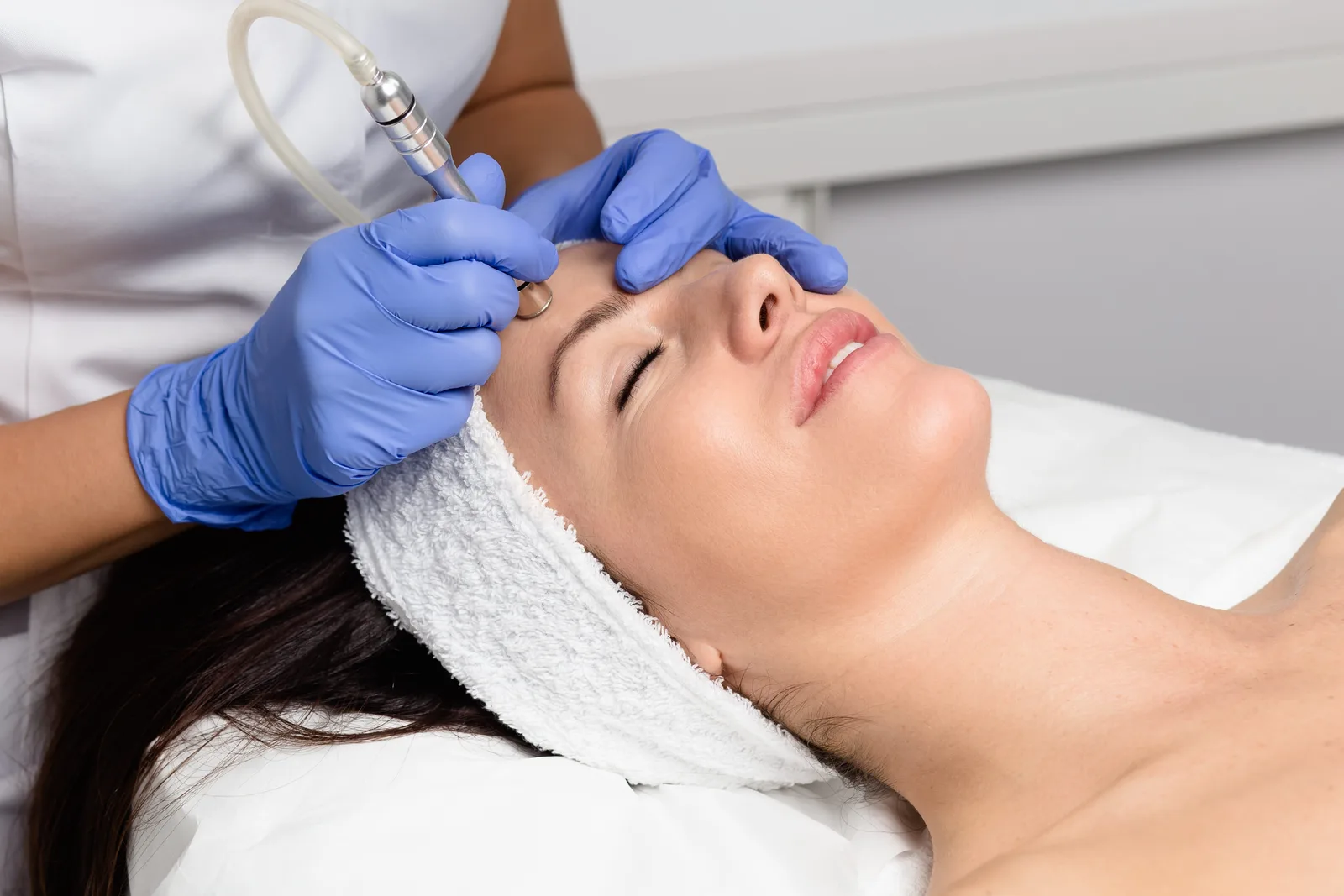
| Surface build-up and dullness | Microdermabrasion or a light peel | Immediate smoothness, no downtime |
| Congested or enlarged pores | A peel, or a HydraFacial for extraction | Visible after one visit; a series keeps it |
| Structural texture and shallow scarring | Microneedling | 3–6 sessions, 4–6 weeks apart, 1–3 days pink |
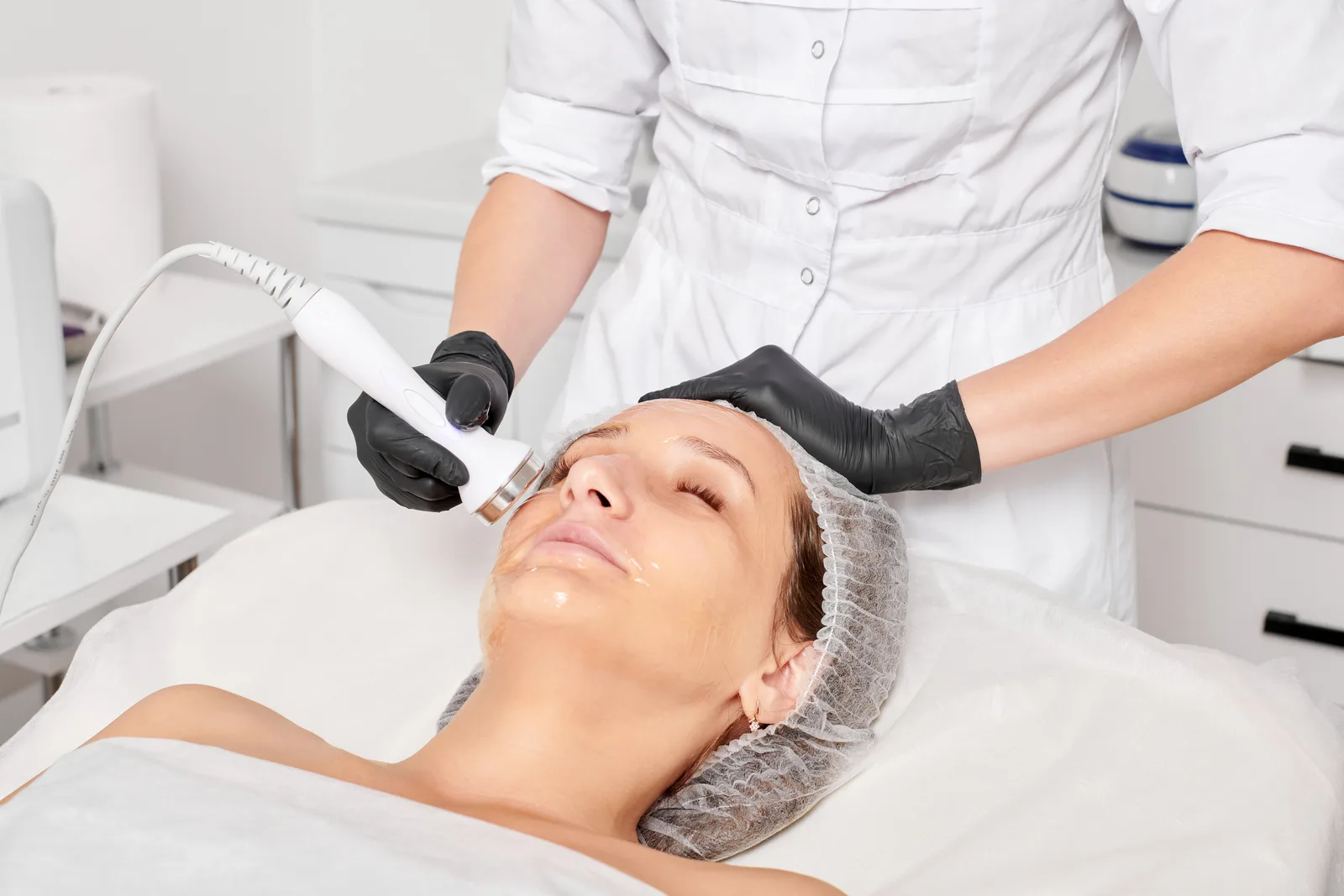
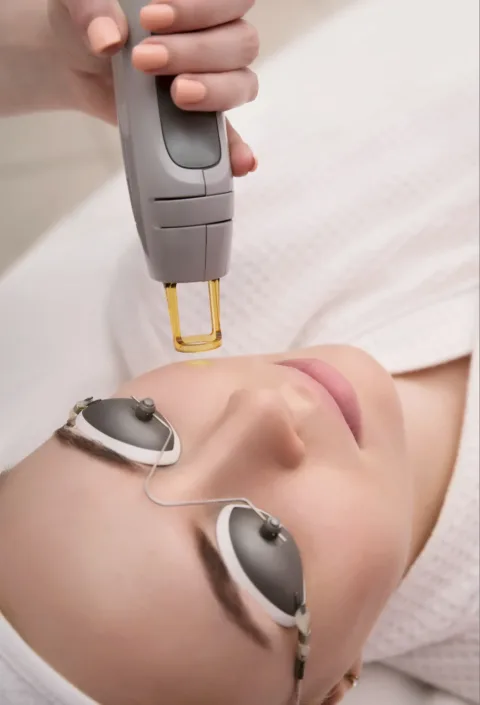
| Overall tone, dullness and fine texture | Laser Genesis or laser rejuvenation | A glow early; structure builds over the course |
The pattern is consistent: anything at the surface improves quickly and needs maintaining; anything structural needs a course and improves gradually. Spending on the wrong one is how people conclude that “nothing works”.
Why your exfoliating routine might be the cause
An acid toner, a scrub, a cleansing brush and a weekly mask is a lot of exfoliation. Past a certain point the skin barrier stops coping: skin becomes shiny but reactive, stings with products it used to tolerate, and the texture gets rougher rather than smoother because it is permanently mid-repair.
If your skin has become more sensitive over the last six months and you have added exfoliating steps in that time, try removing them for a fortnight before booking anything.
In-clinic resurfacing works differently: a controlled amount, done occasionally, with recovery time in between — rather than a small amount of damage every day.
Keeping the result
- Daily SPF 30 or higher. UV undoes resurfacing faster than anything else, including in an Edmonton winter.
- One exfoliating product at a time, and not on the days around an in-clinic treatment.
- Give new collagen time. Structural change shows over weeks, not after a single session.
- Maintain rather than restart. An occasional facial between courses holds the surface result.
Your questions, answered
Straight answers from the Oxyderm clinical team on the questions this article raises. Browse all 88 answers or ask us directly.
What is the fastest way to smooth rough skin?
If the roughness is surface build-up, microdermabrasion or a light chemical peel improves it in a single visit with no downtime. If it is structural texture from collagen loss or old acne, nothing is fast — that needs a course of microneedling or resurfacing.
Is microdermabrasion or a chemical peel better?
They do similar jobs by different means: microdermabrasion is physical, a peel is chemical and can go deeper or be tailored to pigment as well as texture. Your technician will pick based on your skin type, sensitivity and how much downtime you can take.
Can I treat enlarged pores?
Pore size can be improved in appearance by keeping follicles clear and by building collagen around them, which makes them less stretched. It is a management rather than a cure, and anyone promising permanently smaller pores is overselling.
Am I over-exfoliating?
Likely, if your skin has become shinier but more reactive, stings with products it used to tolerate, and feels rougher despite more effort. Stripping the routine back for a fortnight is free and tells you a lot.
How often should I have a resurfacing treatment?
Surface treatments are often done every few weeks as maintenance; a microneedling course runs 3–6 sessions spaced 4–6 weeks apart and is then maintained less frequently. Your technician will suggest a rhythm based on how your skin responds.
Will resurfacing help with pigmentation too?
Some of it. Peels and laser treatments can address pigment and texture together, which is why the consultation matters — if pigment is your main concern, the plan looks different. See our guide to pigmentation and dark spots.
Certified laser technicians, medical aestheticians and nurses in Edmonton. Every article is reviewed by our clinical team; it is general information, not a substitute for a consultation.