
Key takeaways
- Scar type decides the treatment. Treating an indented scar like a flat mark wastes a course.
- Indented (atrophic) scars respond to collagen remodelling; flat discoloured marks are pigment, not scar at all.
- Raised and keloid scars need caution — some treatments make them worse, and we will refer rather than guess.
- No treatment erases a scar. Improvement in depth, texture and colour is the honest goal.
Four things people call a scar
“Scar” covers several different outcomes of healing, and they behave so differently that the first useful thing any clinic can do is tell you which one you have. You can often work it out by feel: run a finger over it with your eyes shut.
| Type | How it feels | What it responds to |
|---|---|---|
| Atrophic (indented) | Dips below the surrounding skin — rolling, boxcar or narrow ice-pick. | Collagen remodelling: microneedling, resurfacing. |
| Hypertrophic (raised) | Sits above the skin but stays within the original wound. | Often settles over time; treat cautiously. |
| Keloid | Raised and spreads beyond the original wound; may itch. | Medical management. Not a candidate for most cosmetic treatments. |
| Post-inflammatory mark | Completely flat, just darker or redder. | Pigment or vascular treatment — it is not scar tissue. |
If it is flat, it is not a scar in the structural sense. That is good news: flat marks are the most treatable thing on this list, and many fade on their own.
Indented scars: the collagen problem
An atrophic scar is a deficit. During healing the body laid down less tissue than it removed, leaving a dip with a different structure from the skin around it. Nothing applied to the surface reaches that layer, which is why creams disappoint.
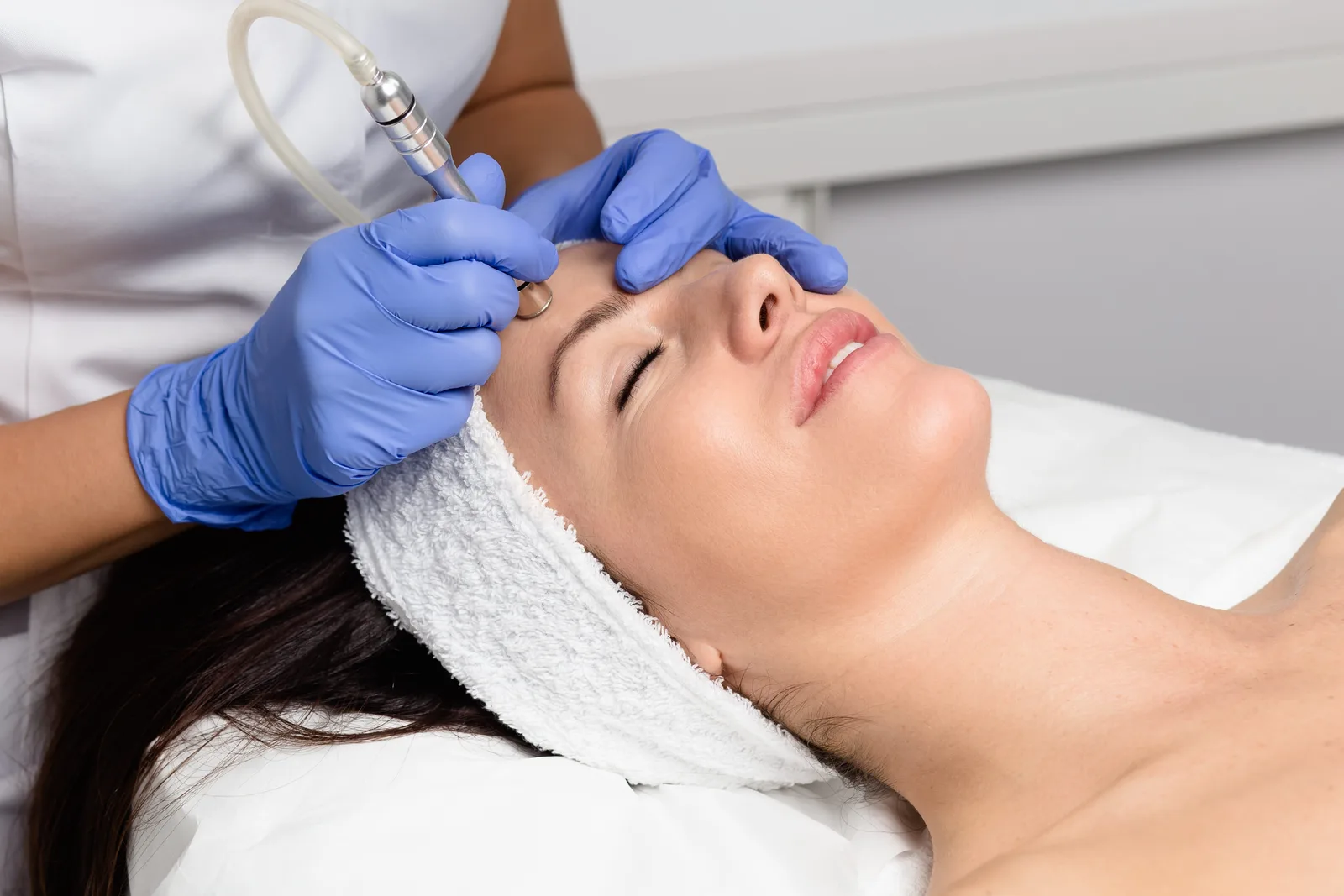
Microneedling works by creating controlled micro-injury through the scar, restarting the remodelling that stopped when the scar matured. New collagen laid down in and around the dip makes it shallower and less distinct. It is done as a course — 3–6 sessions, 4–6 weeks apart, with 1–3 days of pinkness — because the response is cumulative. Adding PRP is a common choice for scarring specifically.
Narrow, deep ice-pick scars are the most stubborn type anywhere on the body, and we will say so at the consultation if that is predominantly what you have, rather than letting you find out after three sessions.
Flat marks: pigment, not structure
Post-inflammatory hyperpigmentation (brown) and erythema (red) are extremely common after acne, ingrown hairs and injuries, especially on deeper skin tones. The skin is intact; it is simply discoloured. Many fade over months without any treatment at all.
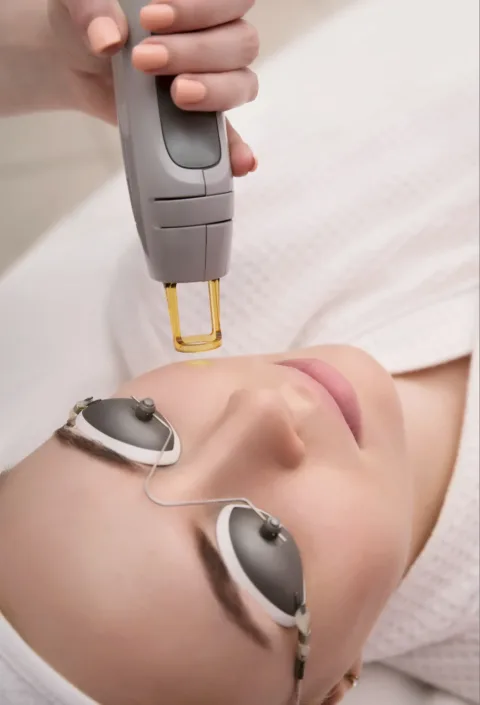
Where they are stubborn, they respond to treatments aimed at the pigment or the vessels rather than at texture — an IPL PhotoFacial, Laser Genesis or skin brightening, depending on which colour you are dealing with. Strict daily sun protection is not optional here: UV is what makes a fading mark stop fading.
Raised and keloid scars: where we say no
Hypertrophic scars often flatten on their own over a year or two. Keloids do not — they keep growing beyond the original wound, and some treatments provoke them. If you have a history of keloid scarring, tell us at the consultation. We will not treat an active keloid, and we will say plainly that this is one for a dermatologist or plastic surgeon rather than a cosmetic clinic. Sending you somewhere better is part of the job.
What is realistic
Across every type, the honest goal is improvement, not erasure. Indented scars become shallower and catch the light less; flat marks fade; texture evens out. A scar that has formed does not disappear, and any clinic promising removal is overselling. What we can tell you at a free consultation is which type you have, what order to treat them in, and roughly how much change to expect — including when the answer is “less than you are hoping for”.
Your questions, answered
Straight answers from the Oxyderm clinical team on the questions this article raises. Browse all 88 answers or ask us directly.
How do I know what kind of scar I have?
Feel it with your eyes closed. If it dips below the surrounding skin it is atrophic; if it sits above, it is hypertrophic or keloid; if it is completely flat and only differs in colour, it is a post-inflammatory mark rather than structural scarring. We confirm it at the consultation.
Can microneedling remove acne scars?
It improves indented scarring by building collagen in the dip, which makes it shallower and less distinct over a course of 3–6 sessions. It does not erase scars, and it is not the right tool for flat discoloured marks or raised scars.
Will my red or brown marks fade on their own?
Often yes, over months, provided the skin is not being re-injured and you are protecting it from UV. Sun exposure is the single biggest reason a fading mark stops fading. Where they are stubborn, pigment- or vessel-focused treatments can speed it up.
Can you treat keloid scars?
No. Keloids grow beyond the original wound and some cosmetic treatments make them worse. That is a dermatologist or plastic surgeon referral, and we will tell you so rather than attempt it.
How many sessions will scar treatment take?
Microneedling for scarring is a course of 3–6 sessions spaced 4–6 weeks apart, and mature scar tissue generally needs patience. We review the area as you go rather than selling a fixed block up front.
Can you treat scars on the body, not just the face?
Yes. Body areas take longer simply because they are larger, and the aftercare has to survive clothing rather than makeup. See our guides to microneedling for stretch marks and back acne scars.
Certified laser technicians, medical aestheticians and nurses in Edmonton. Every article is reviewed by our clinical team; it is general information, not a substitute for a consultation.