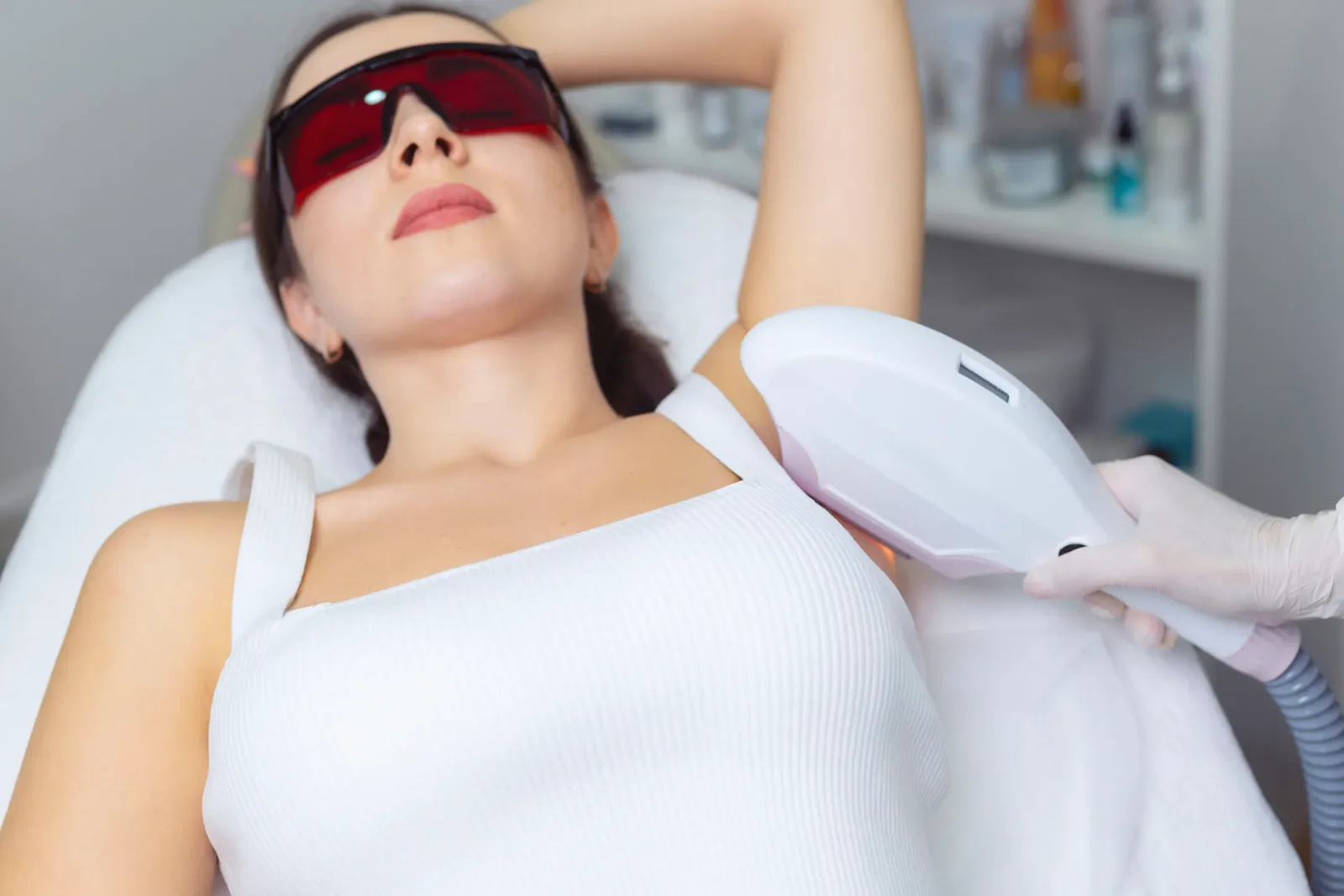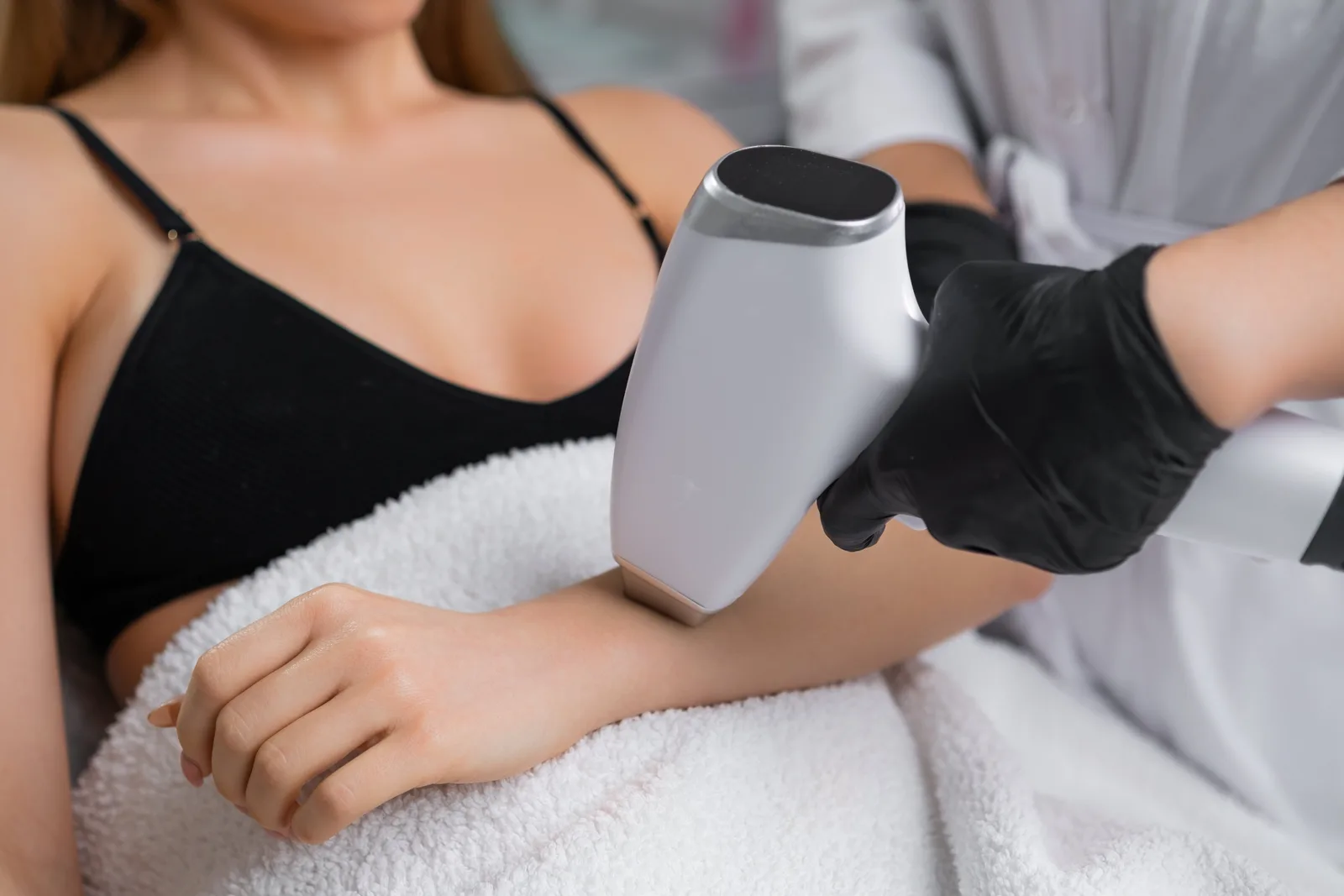

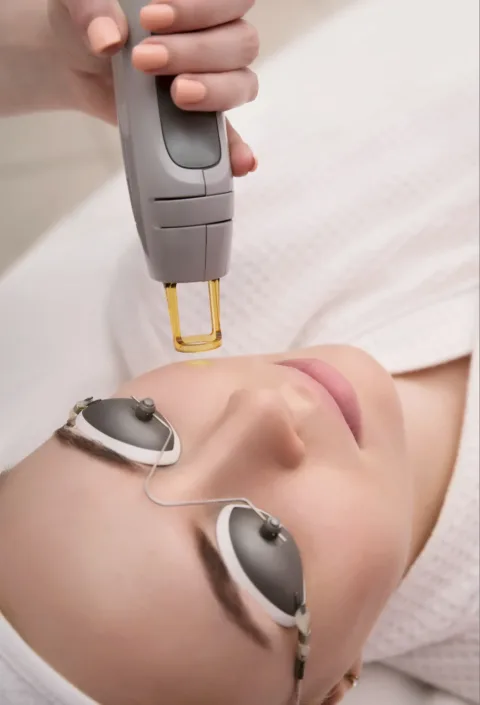
Winter is quietly the best season for laser hair removal in Edmonton, and most of our long-term clients discovered that by accident. Minimal sun exposure, easy sessions to schedule, and months of progress banked before shorts weather returns. But winter also changes how treated skin behaves afterwards. Cold wind, indoor heating and dry prairie air all interact with freshly lasered skin, and good aftercare looks a little different in January than it does in June.
This guide covers exactly how to care for your skin after a winter laser hair removal session in Edmonton, what to avoid, and how to use the season to your advantage.
What Happens to Your Skin Right After a Laser Session
Laser hair removal works by sending light energy into the pigment of the hair follicle, where it converts to heat and disables the follicle’s ability to regrow. The skin around each follicle absorbs a small amount of that heat too. For the first 24 to 72 hours after a session, it is normal to see mild redness, slight swelling around follicles that looks a bit like goosebumps, and a feeling similar to light sunburn.
In other words, your skin is briefly in recovery mode, and winter conditions in Edmonton, where outdoor temperatures can swing thirty degrees from a heated mall, put extra demands on recovering skin.
The First 48 Hours – Core Aftercare Rules
These rules apply all year, and they matter most in the first two days. Keep the area clean and wash with lukewarm water and a gentle cleanser, never hot water. Skip saunas, hot tubs, steam rooms and hot yoga for 48 hours, since added heat on heat-treated skin invites irritation. Avoid strenuous workouts for 24 to 48 hours, because sweat on treated follicles can sting and cause breakouts. Do not scrub, exfoliate or shave the area for several days. And resist picking at any treated hairs, they will shed on their own over the following two to three weeks.
Winter-Specific Aftercare for Edmonton Conditions
Protect treated skin from wind and cold
Freshly treated skin has a temporarily weakened barrier. A minus twenty windchill on the walk to your car will not damage follicle results, but it can leave treated facial or neck skin chapped and stingy. Cover treated areas with soft clothing layers for a day or two, and avoid rough fabrics like wool sitting directly on lasered skin.
Fight the dry indoor air
Edmonton winters pair outdoor cold with bone-dry furnace heat indoors, and dry skin after laser means more itching and flaking. Apply a gentle, fragrance-free moisturizer twice daily to treated areas for at least a week. A bedroom humidifier earns its keep during a laser treatment course.
Watch the shower temperature
A long hot shower feels like a right in January, but for 48 hours after your session, keep showers warm rather than hot, and pat treated areas dry instead of rubbing.
Yes, you still need sunscreen
Winter sun plus snow glare is real UV exposure, and UV on recently treated skin raises the risk of pigmentation changes. Any treated area that sees daylight, especially the face, needs broad-spectrum SPF 30 or higher every day, including cloudy ones. This is non-negotiable for clients doing facial laser hair removal through the winter.
Why Winter Sessions Produce Smoother Courses
The biggest aftercare advantage of winter is what you are not doing: tanning. Laser works best when there is maximum contrast between hair pigment and skin tone, and treatment on recently tanned skin raises risks and often forces clinics to lower energy settings, which slows results. In an Edmonton winter, your skin naturally sits at its lightest baseline, letting your technician treat at optimal settings session after session. Combined with the fact that most treatment areas live under clothing from October to April, winter courses tend to run smoother with fewer scheduling compromises.
The Shedding Phase – What to Expect in Weeks One to Three
About one to three weeks after each session, treated hairs push out of the follicle and shed. It can look like regrowth, but the hairs fall away with gentle washing. Let shedding happen naturally. Once the skin has fully settled, usually after about a week, gentle exfoliation with a soft washcloth can help the process along. Between sessions you may shave as needed, but skip waxing and plucking entirely, since the laser needs an intact follicle root to target at your next appointment.
Timing Your Course for a Hair-Free Summer
Most clients need six to eight sessions spaced four to eight weeks apart, depending on the body area and hair cycle. Start the math from there: a course started in November reaches its fifth or sixth session by May, which is exactly when Edmonton patios reopen. Starting in spring, by contrast, means juggling sessions around sun exposure all summer. If a hair-free summer is the goal, the ideal start window is late fall and early winter, right now.
A Simple Winter Aftercare Kit
You do not need a shelf of products to look after lasered skin through an Edmonton winter. Five basics cover it: a gentle fragrance-free cleanser, a rich but simple moisturizer, a broad-spectrum SPF 30 or higher for exposed areas, pure aloe vera gel or a cool compress for the first evening if the skin feels warm, and a lip balm if treatment was anywhere near the mouth. Keep the kit in one spot from November to April and aftercare becomes automatic rather than a scramble after each appointment.
Clothing Choices That Help Between Sessions
For body areas like legs, underarms and the bikini line, friction is the main winter irritant. For the first two days after a session, choose loose cotton layers against treated skin and save the compression leggings, tight denim and heavy thermal base layers for later in the week. If underarms were treated, consider skipping antiperspirant for 24 hours, as the aluminum compounds can sting on fresh follicles, and give deodorant a day before reintroducing it.
When to Call Your Clinic
Normal responses are mild and fade within days. Contact us promptly if you notice blistering, crusting, significant swelling, signs of infection, or pigment changes in the treated area. These are uncommon, and early guidance keeps small issues small. At Oxyderm Laser Clinic and Academy, aftercare support is part of the treatment, not an extra.
Frequently Asked Questions About Winter Laser Aftercare
Can I go skiing or skating right after a session?
Give it 48 hours. The combination of cold, wind and exertion is a lot for freshly treated skin, and snow glare adds UV exposure. After that, layer up, apply SPF to any exposed treated skin, and enjoy the season.
Does laser hair removal hurt more in winter?
No. Sensation during treatment is the same, often described as a warm snap. If anything, winter sessions are more comfortable afterwards because you are not managing heat and sweat.
Can I use retinol or acids on treated areas in winter?
Pause active ingredients like retinoids and exfoliating acids on treated areas for about a week after each session, then reintroduce them gradually alongside a good moisturizer.
What should men know about winter beard-line or body laser?
The same rules apply, with one addition: scarves and high collars rubbing on a freshly treated neck can irritate, so choose soft layers for the first couple of days after a session.
Book Your Winter Laser Course in Edmonton
Winter gives you the conditions, we provide the plan. Learn more about laser hair removal at Oxyderm Laser Clinic and Academy, explore full body laser hair removal options, or book a consultation today and have your course finished before Edmonton thaws.