

Ask any experienced aesthetician when they book their own chemical peels and the answer is nearly unanimous: winter. In a northern city like Edmonton, the stretch from November to March is unofficially known as peel season, and the reasons are practical rather than promotional. Peels temporarily make skin more sun-sensitive, winter has the least sun. Peels need a series to shine, winter has the open calendar. And the skin damage summer left behind is sitting right at the surface, waiting to be lifted. Here is why cold months and chemical peels belong together, which peel depths suit which goals, and how to run a winter peel series that has your skin transformed by spring.
What a Chemical Peel Actually Does
A chemical peel applies a controlled acid solution, commonly glycolic, lactic, salicylic or trichloroacetic acid in professional settings, that loosens the bonds holding dead and damaged cells to the surface. Over the following days, that outer layer sheds, taking dullness, rough texture, surface pigment and pore congestion with it, and the skin rebuilds itself fresher, smoother and more evenly toned. Depth is everything: light peels refresh the surface with minimal flaking, medium peels reach further for stubborn pigment and texture at the cost of several days of visible peeling, and deep peels are a medical procedure for a different article. Most med spa peel work, and most winter series, live in the light-to-medium range.
Why Winter Is Peel Season in Edmonton
Peeled skin and sunshine do not mix
The single biggest rule after any peel is strict sun protection, because fresh skin pigments easily. In July, that rule fights seventeen-hour days and patio culture. In January, Edmonton delivers short days, a low sun angle and a UV index scraping its annual floor. The hardest part of peel aftercare becomes nearly automatic.
A proper series fits perfectly between November and March
Meaningful peel results come from a series, typically three to six light-to-medium peels spaced three to five weeks apart. Start in November and the final session lands in March, with the cumulative result, brighter tone, smoother texture, faded summer sun spots, fully visible by patio season.
Downtime hides in plain sight
The flaking phase of a medium peel, days two to five, is far easier to live with during quiet winter weeks than wedding season. Work-from-home days, scarves and shorter social calendars make winter the lowest-stakes time to let skin do its shedding.
Summer damage is ready to lift
Every Edmonton summer deposits a layer of UV damage: sun spots, uneven tone, rough patches. By late fall that damage has surfaced, which is precisely where a peel works. Winter peels are how skin enters spring without carrying last summer forward.
Matching the Peel to the Problem
Dull, tired, furnace-dried skin responds to light lactic or glycolic peels, which brighten while respecting the moisture barrier, these are the gentlest entry point and even first-timers manage them easily. Breakout-prone and congested skin suits salicylic-based peels, which travel into pores and cut oil, pairing naturally with the acne facial work we do all winter. Sun spots, post-breakout marks and uneven tone call for progressively stronger glycolic or TCA-family peels across a series. Fine lines and texture respond to medium-depth work that stimulates collagen as it resurfaces. Your skin tone matters too: deeper skin tones peel safely and beautifully with the right acid choices and conservative strengths, which is an assessment conversation, not a guess.
What a Peel Appointment Feels Like
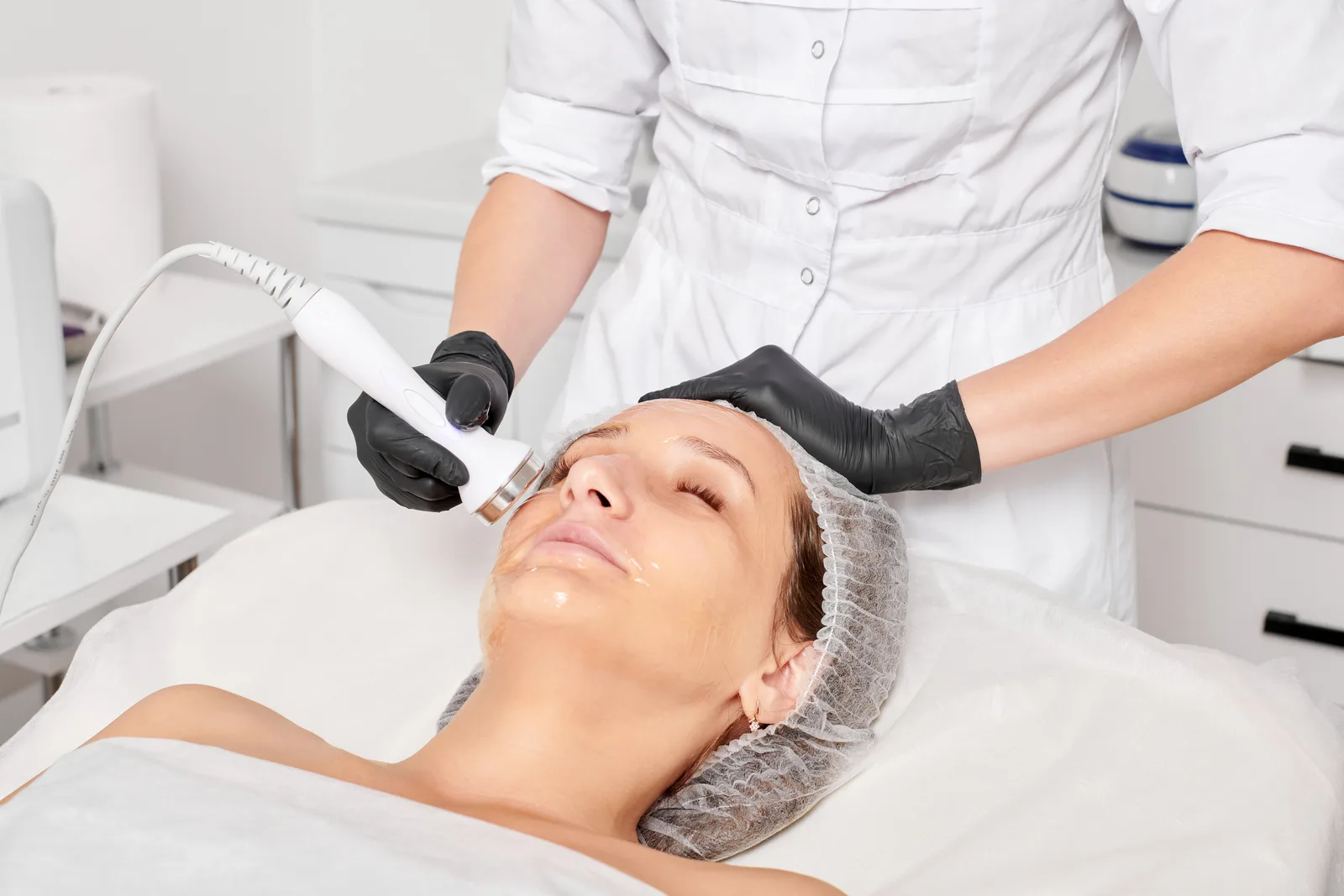
A professional peel at our Edmonton clinic takes thirty to forty-five minutes. Skin is cleansed and prepped, the solution is applied in controlled layers while you feel a warm tingle that builds and fades, and the peel is neutralized or self-neutralizes depending on the formula. You leave with calm, slightly flushed skin and a precise aftercare sheet. Flaking, when it comes, starts around day two or three and resolves within a week for light-to-medium peels. The one job you have is to let it happen: no picking, no peeling flakes off early, no exfoliating the exfoliation.
Winter Peel Aftercare, Edmonton Edition
Aftercare is where our climate needs a little respect. Moisturize generously morning and night, flaking skin in furnace air gets thirsty fast. Cleanse with lukewarm water and nothing abrasive. Pause retinoids and acids at home until flaking finishes. Wear broad-spectrum SPF 30 or higher every single day, snow glare included, this is non-negotiable even in December. Guard the fresh skin from deep-cold wind with a scarf for the first week. And skip saunas, hot yoga and steam rooms until the skin is fully settled.
Building Peels into a Bigger Winter Plan
Peels play well with others, with sequencing. A classic Edmonton winter program alternates peels with microneedling every few weeks, resurfacing from the top down while building collagen from the bottom up, or pairs a peel series with skin brightening treatments for pigment-focused goals. Deeper treatments and peels are never stacked in the same week; your plan spaces them so each gets credit for its own work. By March, the combination approach is consistently what produces the before-and-after photos people assume took a year.
A Sample November-to-March Peel Calendar
Here is what a typical first-year series looks like for an Edmonton client starting fresh. Mid-November, a consultation and a light lactic peel introduce the skin to the process gently. Mid-December, a second light peel, timed a week clear of holiday events, builds on the first. Late January, with the skin now conditioned, the series steps up to a stronger glycolic or a gentle TCA-family peel for the stubborn pigment. Late February, a fourth session consolidates, and mid-March finishes with a final polish. Five appointments, no event conflicts, aftercare on easy mode the entire way, and skin in April that looks like a different season of life.
Frequently Asked Questions About Winter Chemical Peels
How many peels do I need to see a real difference?
One light peel delivers a visible freshness within a week. Lasting change in tone, texture and pigment typically takes a series of three to six sessions spaced about a month apart, which is exactly what a November-to-March window holds.
Will everyone at work know I had a peel?
After a light peel, almost certainly not, expect a day of mild flush and perhaps subtle flaking. Medium peels bring a few days of visible shedding, which is why they are scheduled around your calendar, and why winter scheduling is so forgiving.
Are chemical peels safe for sensitive skin?
Generally yes, with the right acid family and strength. Lactic acid peels in particular suit reactive skin. A patch assessment at consultation sorts this out before anything touches your face.
Can I get a peel before a holiday party?
Light peels need about a week of buffer, ten days if you have never peeled before. Inside that window, choose a no-downtime facial instead and start the peel series in January.
Start Your Peel Series This Winter in Edmonton
Peel season is short, and the spring reveal belongs to the clients who started in the fall. Learn more about chemical peels at Oxyderm Laser Clinic and Academy, or book a consultation in Edmonton and map a winter series matched to your skin, your calendar and your spring goals.