
If you have been fighting melasma all summer with sunscreen and patience, winter is when you finally get to go on offense. Melasma is driven and constantly re-triggered by UV exposure, which makes Edmonton’s long, low-sun winter the single best window of the year to treat it. From November through March, the days are short, the UV index routinely sits at its annual low, and the pigment-producing cells in your skin are under far less daily provocation.
This guide explains what melasma actually is, why it is so stubborn, which treatments work, and how to use Edmonton’s winter months to make real, visible progress before the sun returns.
What Is Melasma and Why Is It So Stubborn?
Melasma is a chronic pigmentation condition that shows up as soft, symmetrical brown or grey-brown patches, most often on the cheeks, forehead, upper lip and chin. Unlike an isolated sun spot, melasma is not a single patch of damage. It is an overactive pigment response wired into the skin, influenced by hormones, genetics, heat and above all ultraviolet light.
That is why melasma behaves differently from other pigmentation. It fades, then returns after a sunny weekend. It can flare during pregnancy or with hormonal birth control. And it punishes aggressive treatment: overly harsh lasers or peels can actually trigger more pigment in melasma-prone skin. Successful treatment is a campaign, not a single appointment, and the campaign is far easier to win when the sun is not fighting for the other side.
Why Winter Is the Strategic Season for Melasma Treatment in Edmonton
Edmonton sits at a northern latitude where winter sun is both brief and weak. For melasma treatment, that creates three real advantages.
Lower UV means lower re-triggering
Every treatment that lifts pigment leaves skin temporarily more reactive. In July, that fresh skin walks straight into seventeen hours of daylight. In January, it faces a fraction of the UV load, so each treatment session holds its gains instead of being partially undone.
Treatment courses need consecutive sessions
Most melasma protocols involve a series of appointments spaced several weeks apart. Starting in November means a full course can be completed by spring, with results peaking before patio season begins.
Downtime is easier to manage
Mild redness or flaking after a peel or microneedling session is simpler to protect under winter conditions, when you are naturally spending less time outdoors at midday.
Melasma Treatments Available at Our Edmonton Clinic
Chemical peels
Light and medium-depth peels lift pigmented cells gradually over a series of sessions. For melasma, gentler repeated peels consistently outperform a single aggressive one, and winter spacing makes the series easy to schedule.
Microneedling
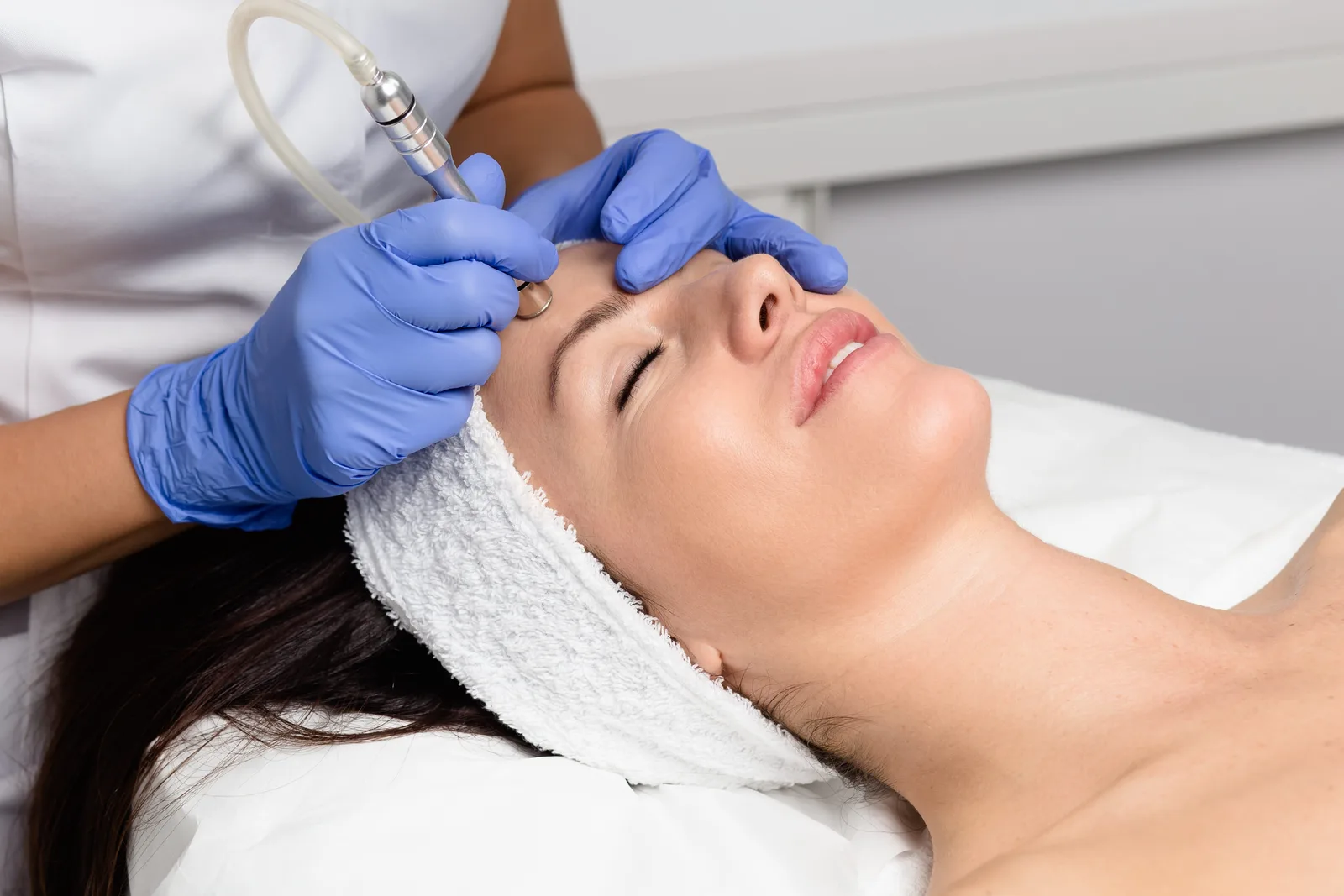
Microneedling improves pigment distribution and skin texture while allowing topical brightening ingredients to penetrate more effectively. It is a favourite for melasma because it treats without heat, and heat itself can aggravate melasma in some clients.
Skin lightening and brightening programs
Professional-grade topical programs built around ingredients that calm pigment production are the backbone of melasma management. In-clinic treatments lift existing pigment, while your home program tells the skin to stop producing excess pigment in the first place. One without the other is half a strategy.
Laser treatments, used carefully
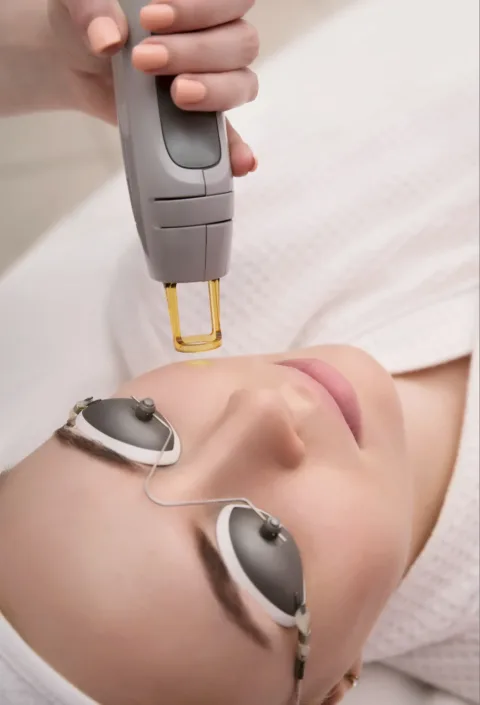
Certain gentle laser approaches, such as low-energy settings used over multiple sessions, can help selected melasma cases. This is an area where an experienced assessment matters, because the wrong laser at the wrong setting can worsen melasma. A consultation at Oxyderm Laser Clinic and Academy determines whether your pigmentation pattern is a laser candidate or better served by peels, microneedling and topicals.
Melasma or Something Else? Why Diagnosis Comes First
Plenty of pigmentation that looks like melasma is actually sun damage, post-inflammatory marks from old breakouts, or a mix of all three, and each responds to different tools. Symmetry, pattern and history usually tell the story: melasma tends to appear in matching patches on both sides of the face and shifts with hormones and seasons, while sun spots are more defined and static. Your treatment plan should start with this distinction, not with a machine.
Your Winter Melasma Plan, Month by Month
A realistic Edmonton winter campaign looks like this. In November, book an assessment and start your topical program so pigment production begins slowing immediately. From December through February, complete a series of in-clinic treatments spaced three to five weeks apart, reviewing progress photos at each visit. In March, lock in your maintenance plan and upgrade your sun protection habits before spring. By the time Edmonton’s strong sun returns in May, your skin is calmer, more even, and defended.
Sunscreen Is Still Non-Negotiable, Even in January
Winter does not mean zero UV. Snow reflects sunlight upward, windshields do not block UVA, and a bright February afternoon of skating or skiing delivers more exposure than most people assume. Daily broad-spectrum SPF 30 or higher remains the foundation of every melasma plan, all twelve months of the year. Tinted mineral sunscreens add a bonus layer of protection against visible light, which research suggests also contributes to melasma in deeper skin tones.
What Results Actually Look Like, Session by Session
Melasma progress is measured in gradual shifts, which is why we photograph at every visit. After the first session and two to three weeks of a home program, most clients notice the patches look slightly softer at the edges rather than smaller. By the second and third sessions, the contrast between pigmented and clear skin visibly reduces, and makeup coverage gets easier. From the fourth session onward, the change becomes obvious in photos, even when day-to-day mirrors hide it. Expecting this curve in advance keeps motivation high through the quiet middle weeks of the plan.
Habits That Quietly Feed Melasma
A few everyday habits work against treatment and are worth auditing at the start of winter. Hot yoga, saunas and steam rooms raise skin temperature, and heat alone can stimulate pigment in melasma-prone skin. Fragranced skincare and aggressive scrubbing cause low-grade irritation that does the same. Driving without UVA protection on long commutes delivers steady exposure through glass. None of these need to disappear entirely, but knowing they influence pigment lets you make informed trades while your treatment course is underway.
Frequently Asked Questions About Winter Melasma Treatment
Can melasma be cured permanently?
Melasma is managed rather than cured. The realistic goal is significant visible fading and a maintenance routine that keeps it quiet. Many clients reach a point where occasional touch-up treatments and daily sunscreen keep their skin consistently even.
How many sessions will I need?
Most clients see meaningful improvement over three to six in-clinic sessions combined with a consistent home program. Your starting depth of pigment and skin tone affect the pace, which is assessed at your consultation.
Is melasma treatment safe for darker skin tones?
Yes, when the plan is built for your skin tone. Deeper skin tones need gentler, heat-conscious approaches, which is exactly why winter microneedling, light peels and topical programs are favoured over aggressive lasers.
Will my melasma come back in summer?
It will try. Clients who maintain sunscreen habits, wide-brim hats and periodic maintenance treatments typically hold most of their winter progress through an Edmonton summer.
Start Your Melasma Treatment This Winter
The months when Edmonton’s sun disappears are the months your pigment finally loosens its grip. Explore our pigmentation treatments, chemical peels and microneedling, or book a consultation at Oxyderm Laser Clinic and Academy and build a winter plan that gets ahead of the spring sun.