
Key takeaways
- Most “sensitive skin” reactions to shaving are mechanical irritation and friction, not an allergy.
- Waxing is the harshest option for reactive skin: it strips the surface along with the hair.
- Laser removes the trigger rather than managing it, but it needs a careful patch test and conservative settings.
- Tell us about eczema, rosacea, psoriasis and every medication — several change what is safe.
Irritation, not allergy
If every shave leaves you red, stinging and bumpy for two days, it is tempting to conclude you are allergic to something. Usually you are not. The far more common cause is mechanical: a blade dragging over skin, a sharp regrowing hair tip, and friction from clothing over an already-inflamed surface. Add hard water, scented products and a dull blade and the reaction is predictable rather than mysterious.
True contact allergy does happen — to fragrance in shaving foams, to preservatives in aftershave balms, occasionally to latex in waxing supplies — and it looks different: itching rather than stinging, often spreading beyond the shaved area, and recurring with one specific product. If that is your pattern, a doctor can patch-test it properly, and that is worth doing before you spend money on treatments.
Why the usual options are hard on reactive skin
| Method | What it does to sensitive skin |
|---|---|
| Shaving | Drags a blade over the surface and leaves a sharp hair tip. Irritation every few days, indefinitely. |
| Waxing | Removes the top layer of skin along with the hair. The harshest option for reactive or thin skin. |
| Epilating | Pulls each hair from the root; often causes folliculitis on skin that is already reactive. |
| Depilatory cream | Dissolves hair chemically. A common cause of genuine chemical burns on sensitive skin. |
| Laser | Targets the follicle, not the surface. No blade, no pulling, no chemistry on the skin. |
How we approach laser on reactive skin
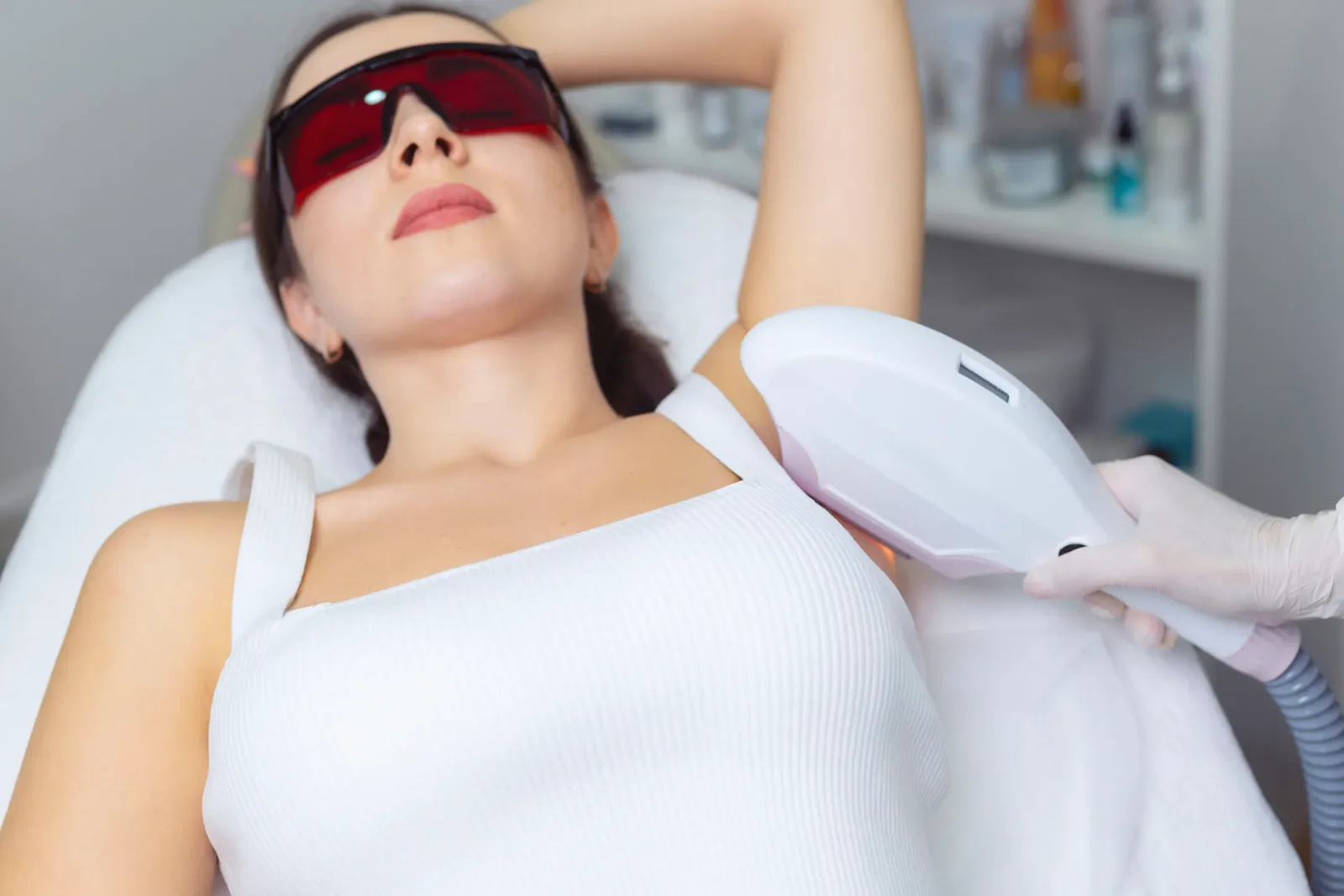
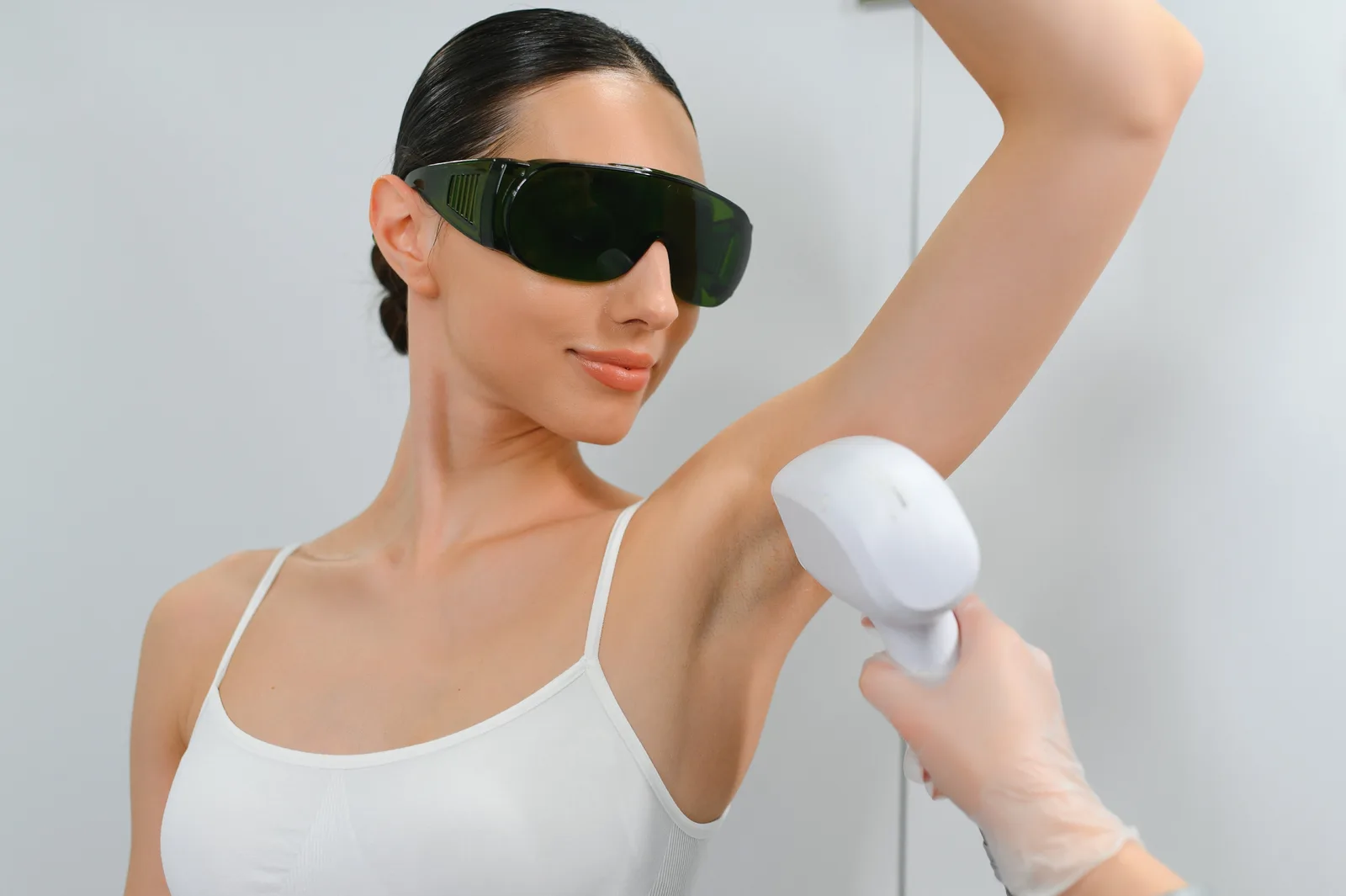
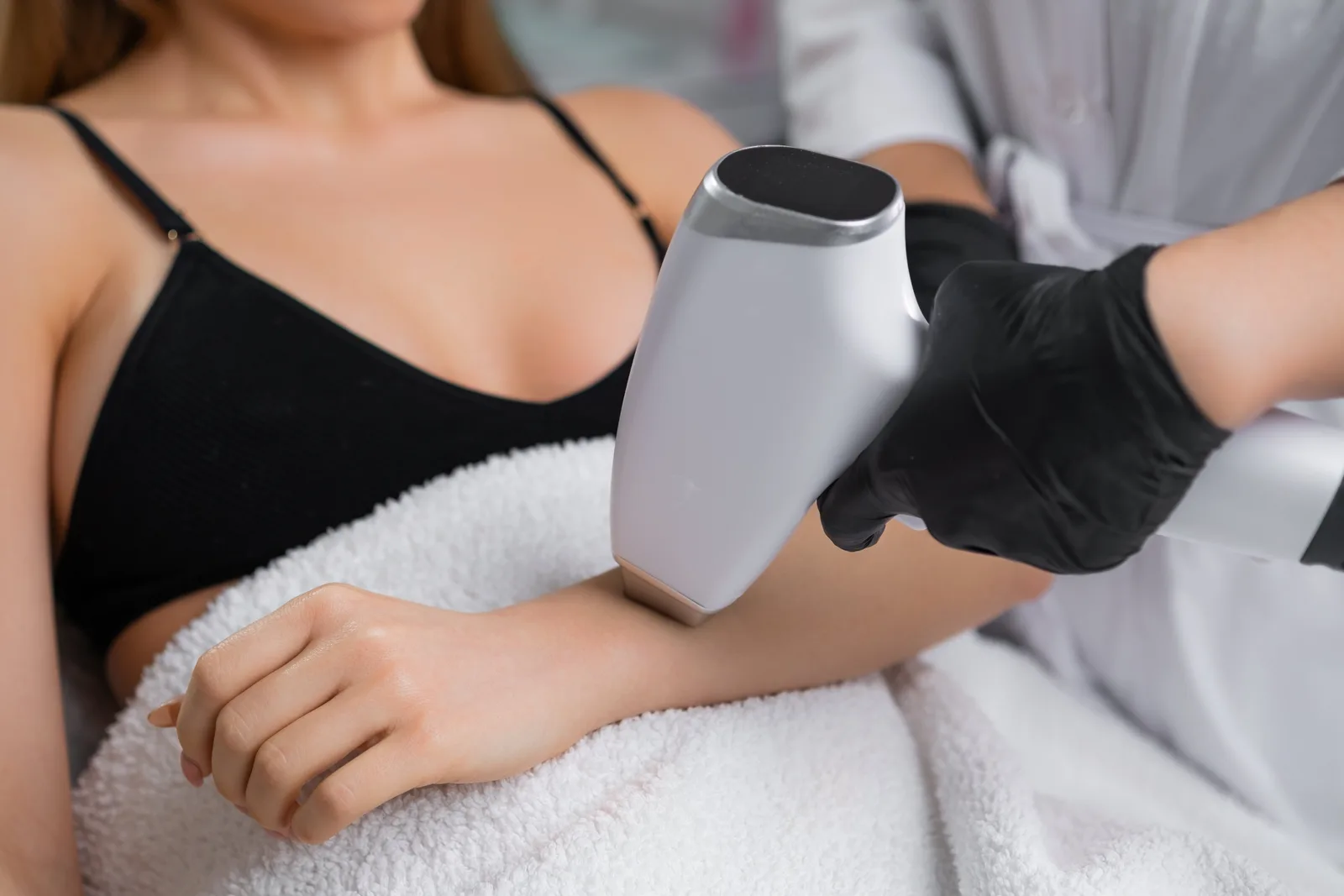
The advantage of laser here is that it removes the thing causing the reaction rather than managing the reaction. The caution is that reactive skin needs a more careful approach than usual.
- A patch test is not a formality. We test and wait, so your settings are based on how your skin actually behaved.
- Conservative settings first. We would rather build up over a couple of sessions than provoke the flare you came to escape.
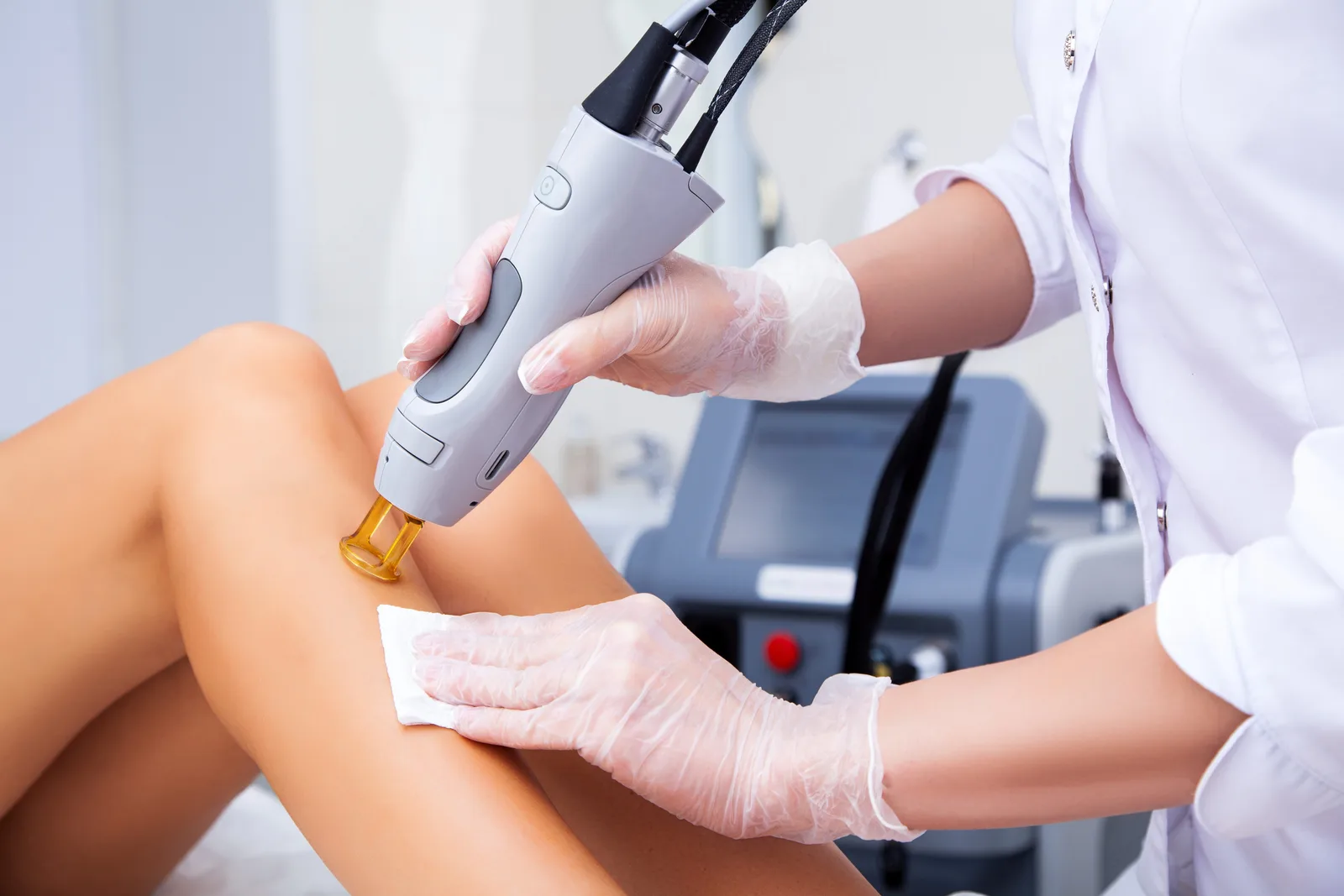
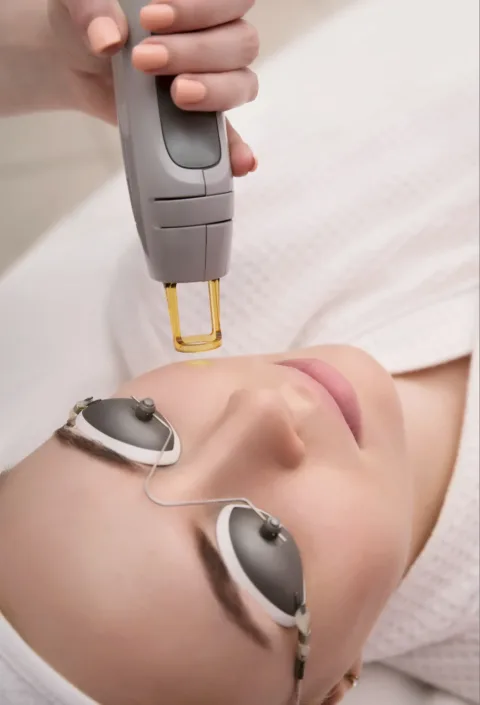
- The cooling spray matters. The GentleMax Pro fires cryogen immediately before each pulse, which is a meaningful difference on skin that runs hot.
- We will not treat through a flare. If the area is actively inflamed, broken or infected on the day, we settle it first. That is not us being difficult.
What to tell us, and why
Several common conditions and medications change what is safe, and none of them are a reason to be embarrassed.
- Eczema, psoriasis, dermatitis — we plan around active patches rather than over them.
- Rosacea — heat is a known trigger, so settings and cooling are adjusted and we may stage the area.
- Isotretinoin (Accutane), past or present — it changes how skin heals and needs a clear gap.
- Photosensitising medication, including some antibiotics, diuretics and herbal supplements like St John’s wort.
- Recent sun, a tan or self-tanner — two clear weeks either side of every session, no exceptions.
We ask these questions at every appointment, not just the first. Prescriptions change, and so does what is safe.
Your questions, answered
Straight answers from the Oxyderm clinical team on the questions this article raises. Browse all 88 answers or ask us directly.
Is my shaving rash an allergy?
Usually not. Most of it is mechanical irritation from the blade and friction, plus sharp regrowing hair tips. A true contact allergy itches rather than stings, often spreads beyond the shaved area and recurs with one specific product — worth a proper patch test from your doctor if that matches you.
Is laser safe if I have eczema or rosacea?
Often yes, with a careful patch test and conservative settings, and we plan around active patches rather than treating over them. Heat is a known rosacea trigger, so cooling and pacing are adjusted. Tell us at the consultation so the plan accounts for it from the start.
Will laser irritate my skin more than shaving does?
There is warmth and pinkness for a few hours after a session, similar to mild sunburn. The point is that it happens a handful of times across a course, rather than every few days for the rest of your life.
What if my skin reacts badly to the patch test?
Then the patch test has done its job. We adjust the settings and retest, or tell you honestly that laser is not the right route for you. That is exactly why we test and wait rather than treating the whole area on day one.
Can I use depilatory cream between sessions?
We would rather you did not. Chemical depilatories are a common cause of burns on reactive skin, and they do not keep the root intact. Shaving is the right method between laser sessions.
Do I have to stop my skincare before a session?
Retinoids and exfoliating acids on the treatment area need to stop a few days beforehand, and your technician will give you the exact window. Everything else usually continues as normal.
Certified laser technicians, medical aestheticians and nurses in Edmonton. Every article is reviewed by our clinical team; it is general information, not a substitute for a consultation.