

Key takeaways
- “Strawberry legs” is a description, not a diagnosis — several different things produce the same speckled look.
- Most of it is the hair follicle itself: trapped hair, oil and dead skin visible through an open pore.
- Scrubbing harder makes it worse. The irritation is part of what darkens the follicle.
- Removing the hair removes the main cause; exfoliation and brightening handle what is left.
What you are actually looking at
Strawberry legs is a nickname for a speckled, pitted look on the legs: dark dots in the follicles, sometimes with rough bumps between them. It is extremely common and it is not one condition. Working out which of these you have is what determines whether anything will help.
- Open comedones in the follicle. The pore contains a mix of hair, oil and dead skin that oxidises and looks dark. The most common cause by far.
- Visible hair under the surface. Dark, coarse hair shows through the skin even after a close shave. Shaving cuts it flat, which makes the dot more obvious, not less.
- Post-inflammatory pigmentation. Years of razor burn and ingrown hairs leave the skin around each follicle permanently darker.
- Keratosis pilaris. Rough, goosebump-like plugs of keratin, usually on the thighs and upper arms. Genetic, harmless, and a different problem.
Why scrubbing makes it worse
The instinctive response is exfoliation, harder and more often. That helps the dead-skin component for a day or two and aggravates everything else. Physical scrubs and stiff brushes inflame the follicle, and inflammation is precisely what drives the pigment that darkens the dots in the first place. Shaving more closely has the same problem: a closer shave means a sharper hair tip and a better chance of it curling back in.
If your routine is shave, scrub, moisturise, repeat and the legs look worse each summer, the routine is the problem, not your effort.
What addresses the cause
Because most of the appearance comes from the follicle, treating the hair is what changes it at source.
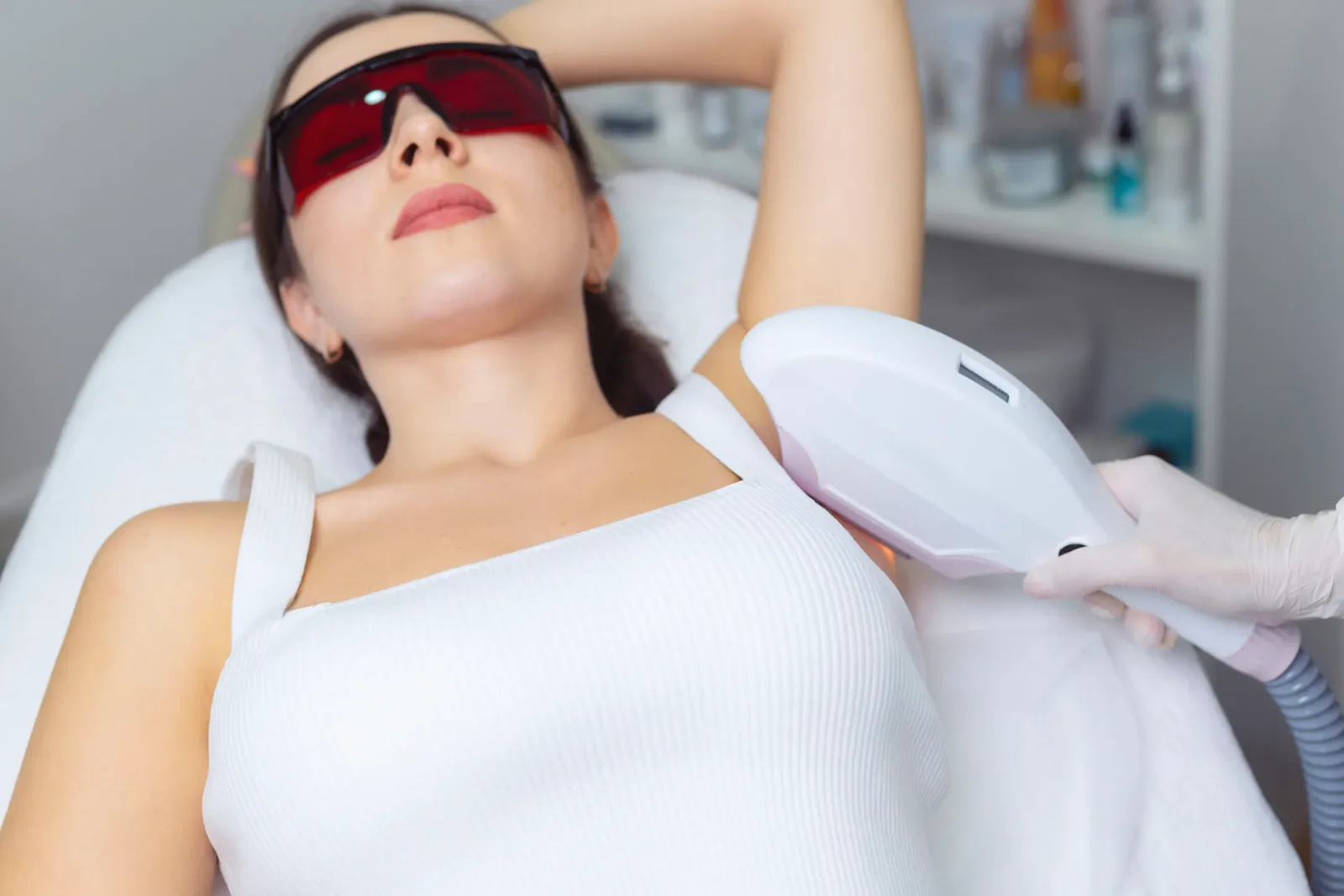
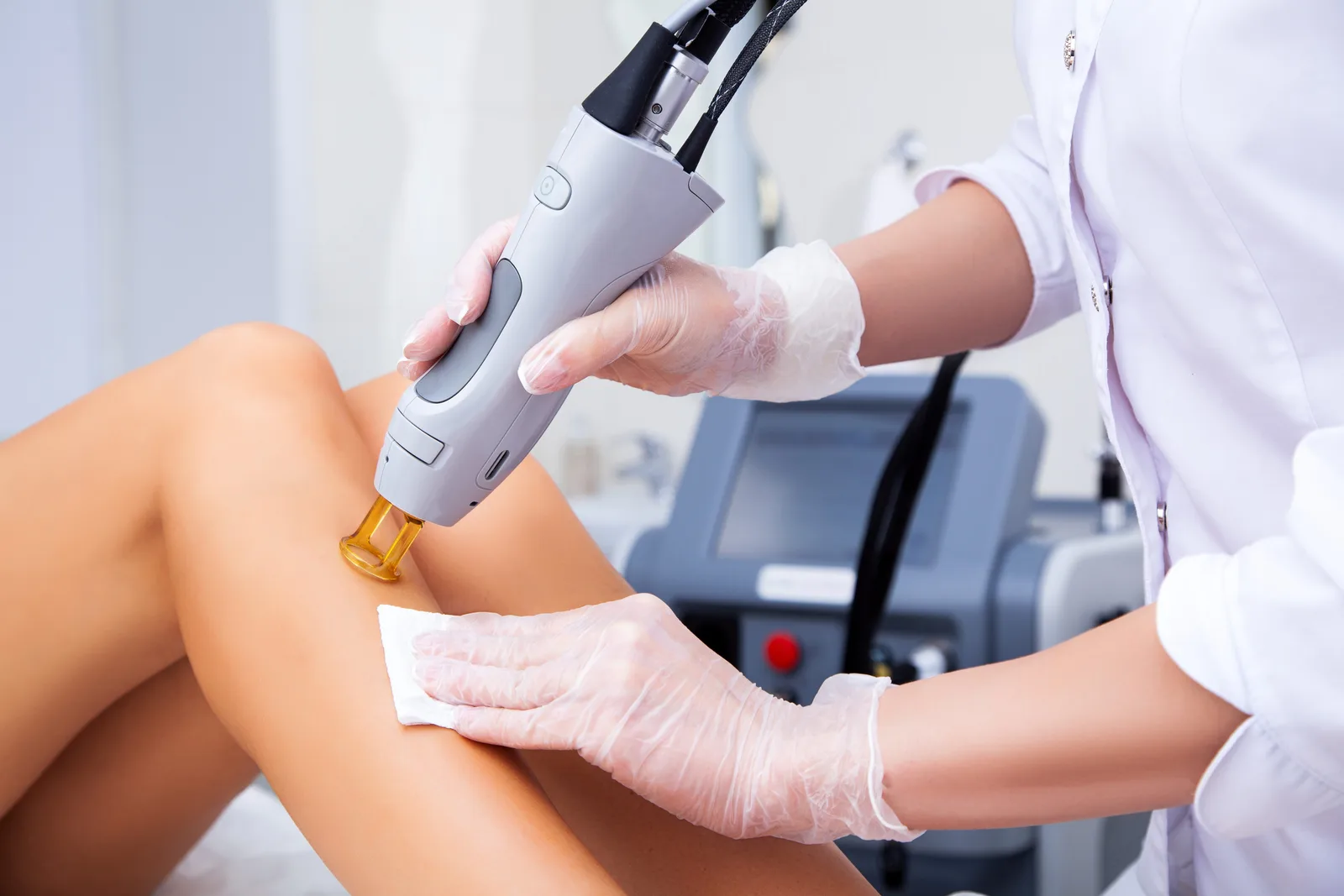
- Laser hair removal on the legs. No hair means nothing to trap, nothing visible under the surface and no shaving trauma. A course is 6–8 sessions, 4–6 weeks apart, with no downtime.
- Microdermabrasion or a chemical peel. Controlled exfoliation that clears the dead-skin cap without the inflammation a home scrub causes.
- Skin brightening. For the pigment left behind once the skin has stopped being re-injured.
The order matters: clearing the pigment while you are still shaving daily means re-creating it. We usually start with the hair.
A realistic timeline
The dots driven by hair and trapped debris improve as the laser course progresses — most clients notice the legs looking cleaner partway through rather than at the end. Pigment that has built up over years fades more slowly, because it has to clear from skin that is no longer being irritated. If keratosis pilaris is part of your picture, say so: it is genetic, it does not go away, and it is managed rather than cured. We would rather tell you that at the consultation than let you expect something else.
Your questions, answered
Straight answers from the Oxyderm clinical team on the questions this article raises. Browse all 88 answers or ask us directly.
Are strawberry legs permanent?
Not usually. Most of the appearance comes from the follicle — trapped hair, oil and dead skin, plus pigment from repeated shaving irritation. Remove the cause and the look changes. Keratosis pilaris is the exception: it is genetic and managed rather than cured.
Does laser hair removal fix strawberry legs?
It addresses the biggest single cause, because most of what you see is the hair itself or the damage from removing it. It does not directly treat pigment that is already there or keratosis pilaris, which may need exfoliation or brightening alongside.
Should I exfoliate more?
Not harder. Physical scrubs and stiff brushes inflame the follicle, and that inflammation is what darkens it. Controlled exfoliation in clinic — microdermabrasion or a peel — does the useful part without the irritation.
Why do my legs look worse right after shaving?
Shaving cuts the hair flat at the surface, so the dark cross-section sits right at the top of the follicle where it is most visible. The closer the shave, the more obvious the dot.
Is this the same as keratosis pilaris?
No, though they can look similar and often occur together. Keratosis pilaris is rough keratin plugs, usually on the thighs and upper arms, and it feels bumpy. Follicular dots are flat and dark. Your technician will tell you which you have.
How long before my legs look different?
Most clients see the follicular dots improving partway through a laser course rather than at the end. Pigment built up over years fades more gradually, once the skin is no longer being re-irritated.
Certified laser technicians, medical aestheticians and nurses in Edmonton. Every article is reviewed by our clinical team; it is general information, not a substitute for a consultation.